Witch in a Cauldron – Halloween Destashification Style

Witch in a Cauldron - Destashification Halloween Decor

Witch in a Cauldron – Destashification Halloween Decor

How does one know that they have too much stuff?

A.  The crew from “Hoarders, Buried Alive” is knocking on the front door.

B.  You see a 5 foot tall,  $350 “Witch in a Cauldron” at a National Craft Chain Store and realize you have almost everything required to make it.

To create the witch,  three  purchases totaling less than $10 were required:  A witch hat, a mask and a roll of black nylon netting.

The rest – I am embarrassed to admit – I had.

The cauldron was one of a matched set of planters.  The other one broke.

Those partially used cans of black spray paint stored in the garage were put to use painting the cauldron black.

The witch is supported by a rake.  The rake end is held into the bottom of the cauldron by 20+ yards of fabric that during the winter is used as tree wrap.

Screening, leftover from those papermaking projects, forms the body.  Plastic grocery bags, waiting in the closet (for about a year now) to be returned to the grocery store for recycling were used as stuffing.  Fabric remaining from sewing a shower curtain was layered over the screening and then wrapped with the nylon netting.

Embellishment Detail

Embellishment Detail

I am not sure who decided sand volleyball courts should be ringed with cactus, but the number of deflated volleyballs in my garage can attest to cactus not being a viable landscaping idea for such an area!

Holes were cut into one such volleyball and it was slipped over the rake handle.

Grey bubble wrap was duct taped to the ball. Then with much effort, a pantyhose leg was pulled down over the “head”.

Lace, flowers, ribbons and other embellishments were added – and secured by glue gun.

I want to add blinking lights for the eyes – and I know we have some – but they seem to be hiding!

Halloween Fun for less than $10!!!!

Destashification Witch

Destashification Witch

Posted in Halloween, Seasonal Home Decor, Stash Couture, Tutorial | Tagged , | 1 Comment

Waffle Scarf: Stash Couture from Simple Knitting Stitches

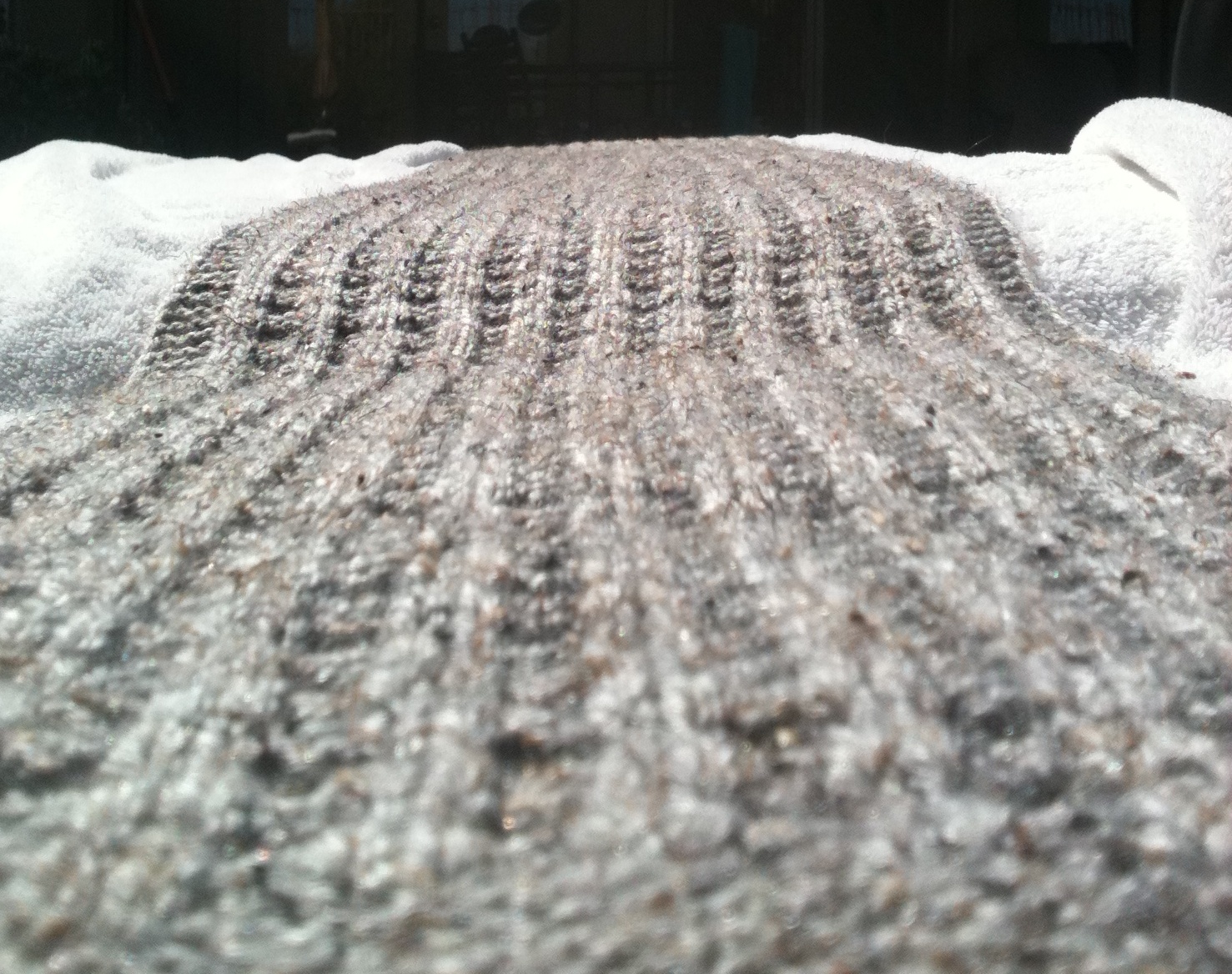
Waffle Scarf showing garter stitch borders.

Waffle Scarf showing garter stitch borders.

College 2000 miles north requires a scarf.

Fall descends quickly in the far north.  Temperatures there required the scarf be completed immediately, so fine yarn and lace patterns were not considered.

As dictated by fashion at the college -the only options for color were black and grey, and the design needed to be subtle.

Blocking Scarf

Blocking Scarf

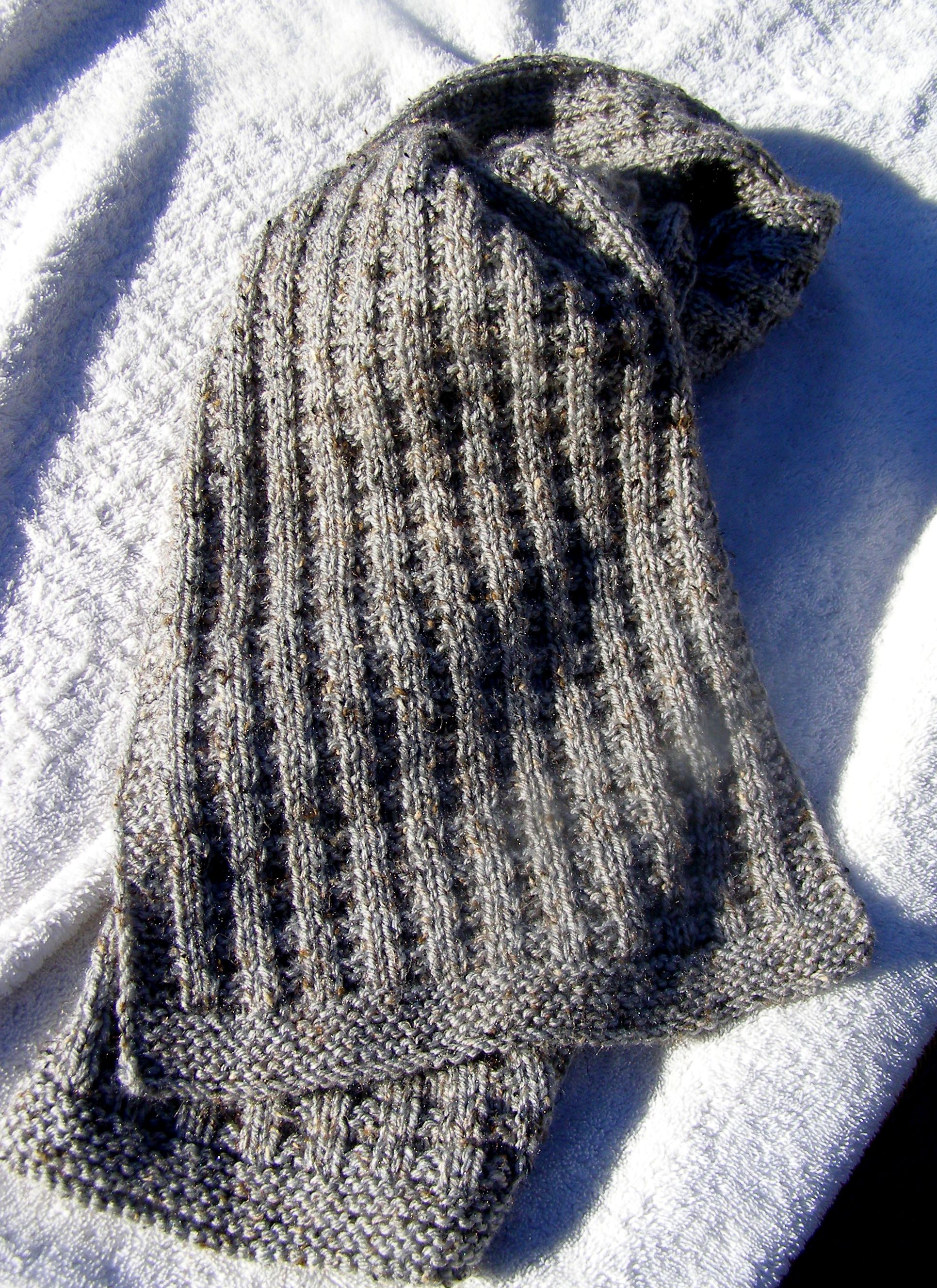
The Yarn Stash contained a few skeins of a worsted weight marled acrylic yarn. Not being an acrylic knitter, I cannot explain this yarn being in The Stash. But this Grey Marble Vanna’s Choice, met the (lack of color) color requirements – and became surprisingly soft after blocking.

The geometry of the Waffle Stitch worked up well in the marled yarn.  Knitting went fairly quickly as the only stitches are knit and purl.  Completing the scarf required just two weekends of football watching!

Back, Front and Border of Waffle Scarf

Waffle Scarf Details – border, Right side (right) and Wrong Side (Left)

I am sharing the pattern below, both in written and charted directions.  It is great for a first project – or a take-along project – or a watching football project!

Description:
The 10″ * 72″ Scarf is 50 stitches wide and requires approximately 450 yards of worsted weight yarn.  The 42-stitch waffle stitch section is framed by a garter stitch border.  The scarf starts and finishes with an 8 row garter stitch end border and throughout its length, each row starts and ends with a 4 stitch side garter stitch border.

Waffle Scarf

Waffle Scarf

The pattern:

Cast on 50 stitches using size 7 needles.

Garter Stitch Border:
Knit 8 rows.

Begin Pattern:
Row 1:  Knit all stitches
Row 2:  Knit 4, Purl to last 4 stitches, Knit 4.
Row 3:  Knit 4, *K2, P2*, Repeat between * to last 6 stitches, K6.
Row 4:  Knit 4, *P2, K2*, Repeat between * to last 6 stitches, P2, K4.

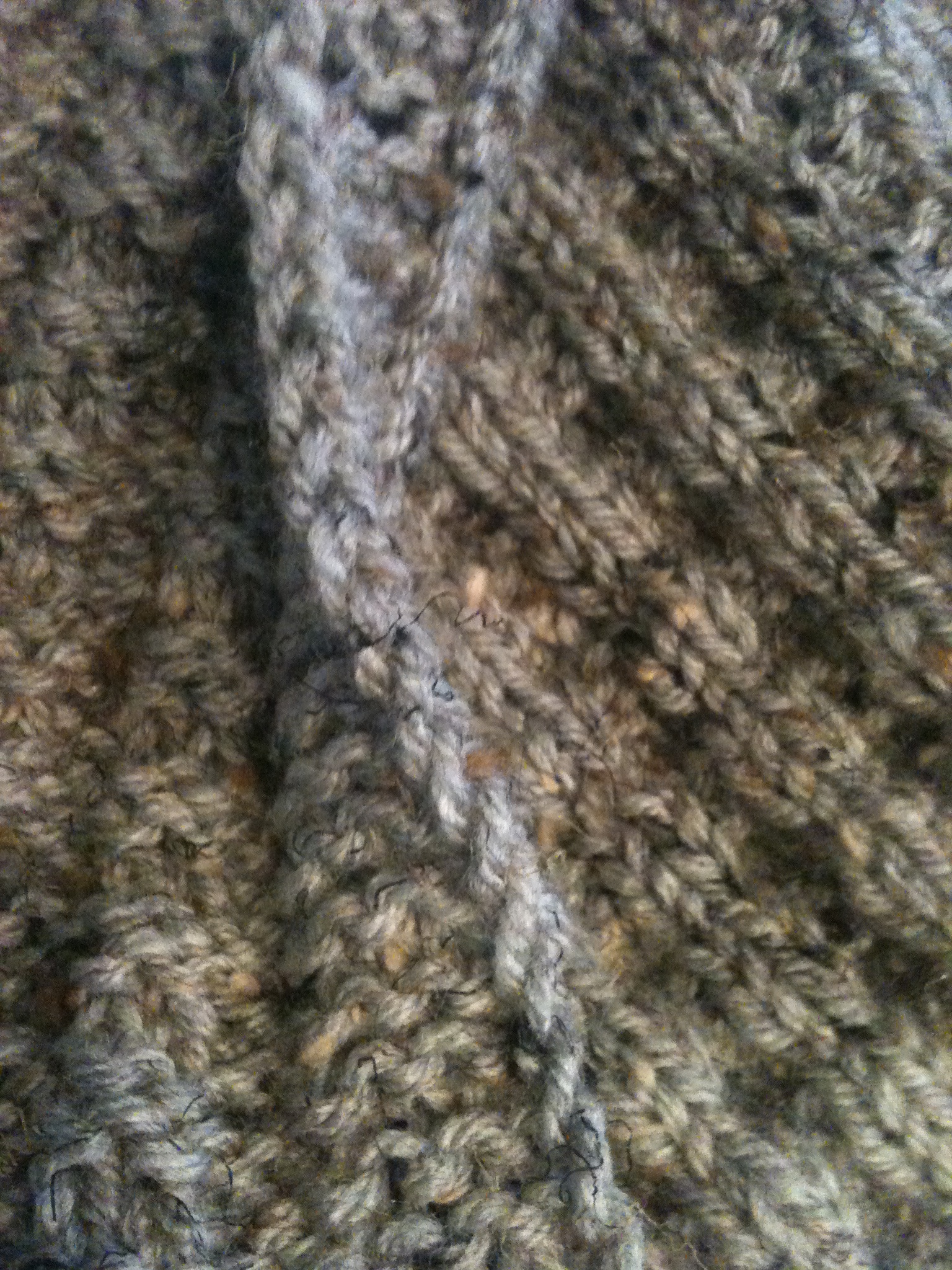
Wrong Side of Waffle Pattern really does look like waffles!

Wrong Side of Waffle Pattern really does look like waffles!

Knit until scarf is 72  inches long ending with Row 1.
Knit 8 rows for garter stitch border.
Bind off.

Being an engineer, I love using Charted Knitting Patterns.  Symbols are used to represent stitches.   The following narrative was created as speaking fluent Knitting Charts has its challenges.

In a chart, each square represents a stitch.

Charts are read across the rows from the lower right to the left. Rows also start at the bottom and are read upwards. This is the way right-handed individuals knit – but is completely opposite of the way we read books or pages – so does take some getting used to.

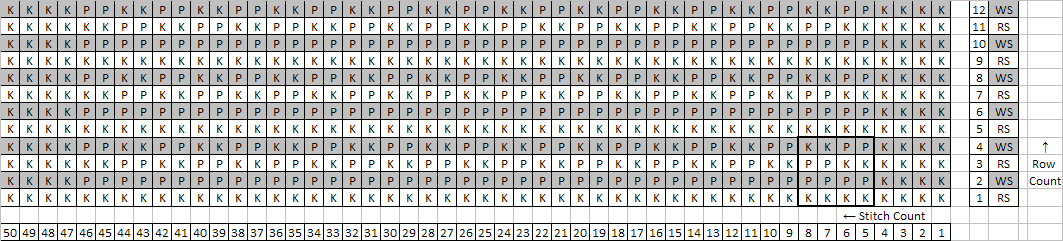
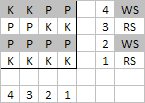
Waffle Section - fully charted

Waffle Section – fully charted

In the above chart, K = Knit and P = Purl.  The first 12 rows of the Waffle Pattern section of the scarf has been charted.  Wrong Side (WS) rows are shaded.

Chart of Repeating Pattern

Chart of Repeating Pattern

Somewhat overwhelming.  However, because the Waffle Stitch pattern is a 4 row, 4 stitch repeat, a much smaller chart can be used to illustrate the Waffle Stitch pattern.

Much less overwhelming – not to mention easier to read.

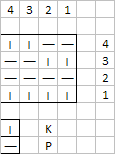
Same chart using symbols

Same chart using symbols

Charted patterns, however, do not use shaded rows or letters.  Symbols are used to represent the stitches – and symbols can vary by pattern.

The “Key” to the symbols is usually included just below the chart.

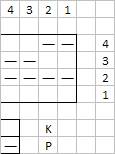
Same chart.  Knit stitches shown as blank squares.

Same chart. Knit stitches shown as blank squares.

Some charting is based upon “Knitting every stitch unless the chart indicates a different stitch.”  When this premise is used, the Key will note that all squares indicating knit stitches are left blank.

These simple charts show just the Waffle Stitch repeat.  However, charting the whole scarf must include the side garter stitch borders.

Charted Scarf Pattern including side garter stitch borders.

Charted Scarf Pattern including side garter stitch borders.

Charting the border stitches is typically shown in side charts.  Because of repeats, stitch counts may or may not be included.

Scarf Chart including side garter stitch borders - using symbols.

Scarf Chart including side garter stitch borders – using symbols.

Again, letters and shaded rows are not typical.  Symbols are used in pattern charting.

The charted pattern for the scarf would be written:

Cast on 50 stitches using size 7 needles.

Knit 8 rows.

Following Chart, knit scarf until it is approximately 72 inches long ending with Row 1.

Knit 8 rows.  Bind off.

Now, as a bilingual individual, translating “Knitting Charts” should no longer seem overwhelming…..

Grey Marled Scarf

Grey Marled Scarf

Posted in Accessories, Beginner Knitting Project, Stash Couture, Tutorial | Tagged , , , | 12 Comments

Scrap Bag Bag Tutorial. Part 5: Securing lining to Bag.

Bag looks complete from the outside....

Bag looks complete from the outside….

The bag sits nicely.  The zipper works well.

But not finished inside!

But not finished inside!

It just needs a lining.

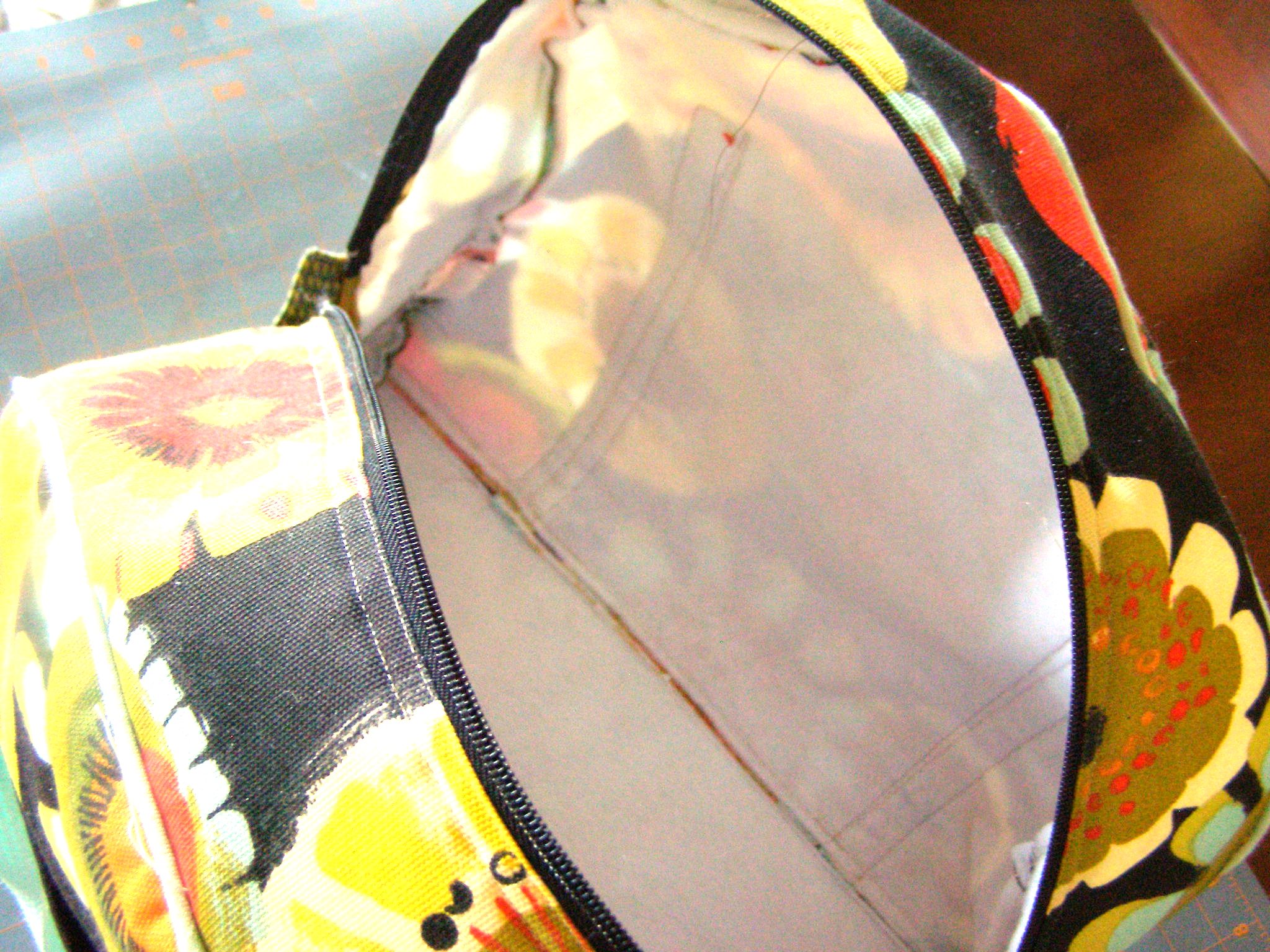
Which is already constructed – it just needs to be secured to the inside of the Bag!

Holding lining still inside-out, place it into outer bag.

Place lining into bag.

Place lining into bag.

The lining will be secured to the bag in 3 places:

  • along each End/Base seam,
  • the curved seam
  • along the zipper.

First the End/Base seams:

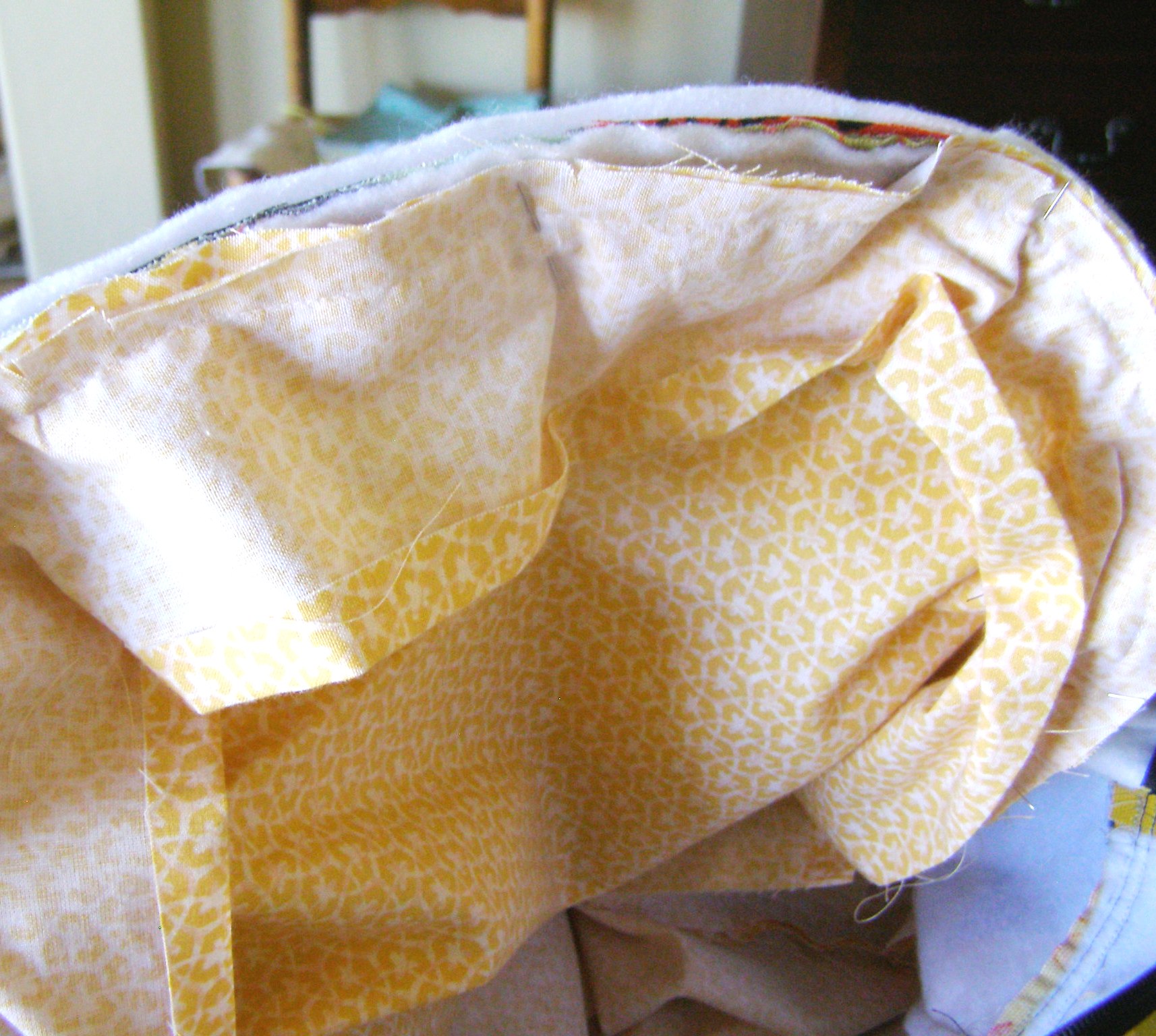
Flatten lining Base against outer Base – specifically in all four corners.

Lining pushed down so that Base/End Seams are visible.

Lining pushed down so that Base/End Seams are visible.

Push upper portion of lining down and away until End/Base seams are visible.

Free the lining and Outer Fabric Base/End seams and align them.

Free the lining and Outer Fabric Base/End seams and align them.

Holding onto both the lining and the Outer Bag End/Base seams – pull them up through the zipper so they are are “free” and can be sewn.

It may be necessary to turn the bag partially inside out to free the seams.

As seen in the photo, the untrimmed End pieces extend over the Base pieces.  Align the Base/End Seams and pin.

Using a zipper or piping foot, stitch through all Base/End layers.

The seam should be just a bit closer to the raw edges than the existing seams.  It does not need to be directly over the existing seams.

It is also not necessary (or possible) to sew all the way to the corners.  Within 1″ of the corners will secure the lining to the Bag.

Repeat for other end of Base.  Push Base back into bag.

Pin lining curved edge to Outer Body curved edge - wrong sides together.

Pin lining curved edge to Outer Body curved edge – wrong sides together.

The Curved Seams:

Find Centerpoint of curved Side of Outer Bag and Centerpoint of Lining Side.  Pin wrong sides of Sides together along top.

Using Zipper/piping foot, stitch just closer to raw edges along top of curved edge of Sides.

This seam will not extend all the way down the Sides.

Repeat for other Sides.

Side curved edge seams sewn

Side curved edge seams sewn

Along the Zipper:

The final step is to secure the lining along the zipper.

It may be easier to turn bag inside out for this final step.

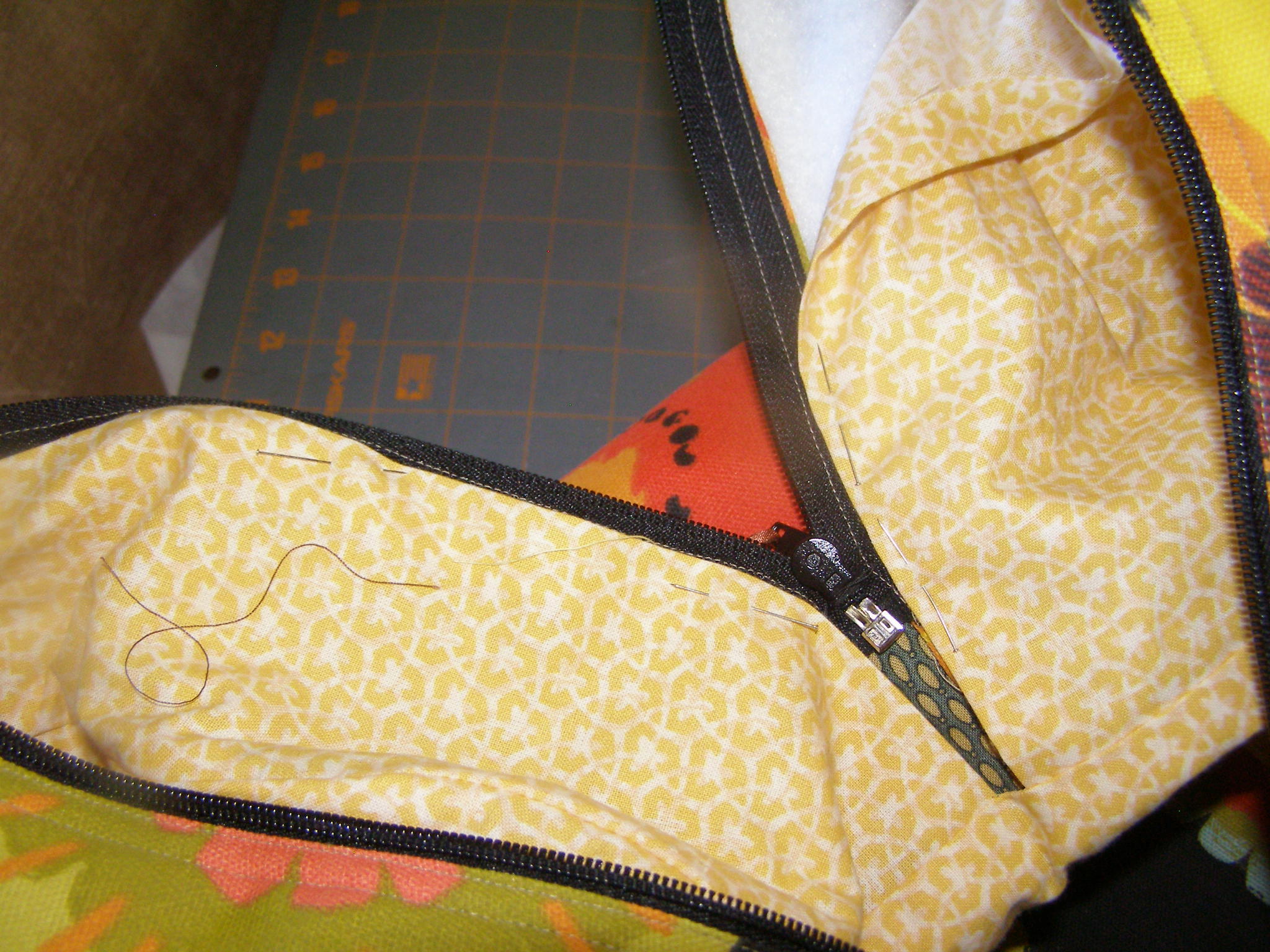
Matching centerpoints, pin the folded long edge of the lining Top to the Zipper along the topstitching seam used to sew in the zipper.

Pin folded edge of lining to Zipper.

Pin folded edge of lining to Zipper.

Pin securely along both long edges.

Hand stitch lining to Zipper Tape to secure lining.  (Yes, stitching by hand is required.)

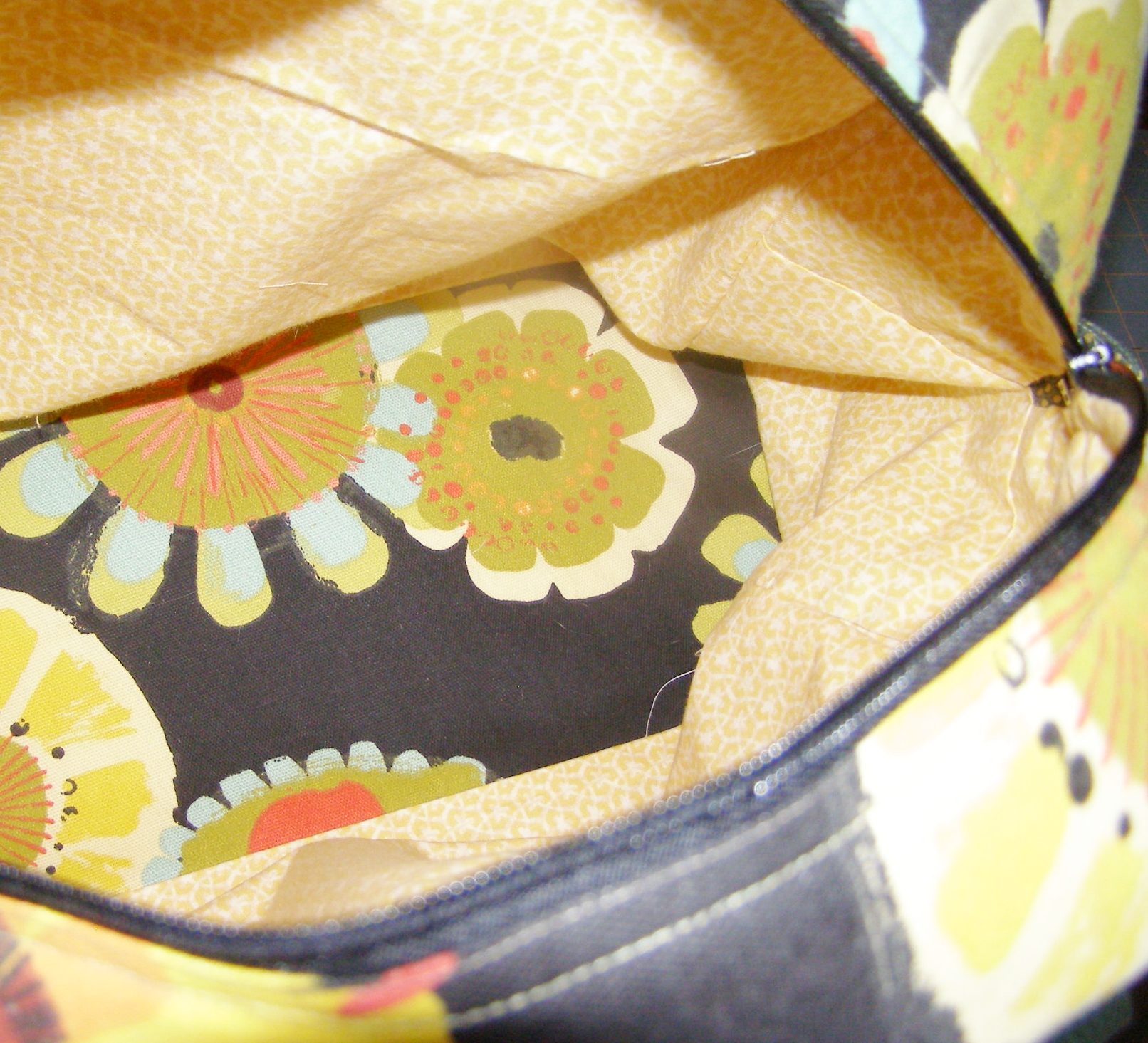
Turn Bag right side out.

Using Zipper foot, stitch a second topstitching along zipper, approximately 1/4″ from topstitching done when zipper was installed.

Zipper topstitching completed - lining secured to Bag!

Zipper topstitching completed – lining secured to Bag!

This topstitching will secure the lining – and is far enough away from the zipper teeth that none of those annoying “lining stuck in the zipper” episodes will occur!

And now your Scrap Bag Bag is complete – except maybe it needs a Secure Luggage Tag!

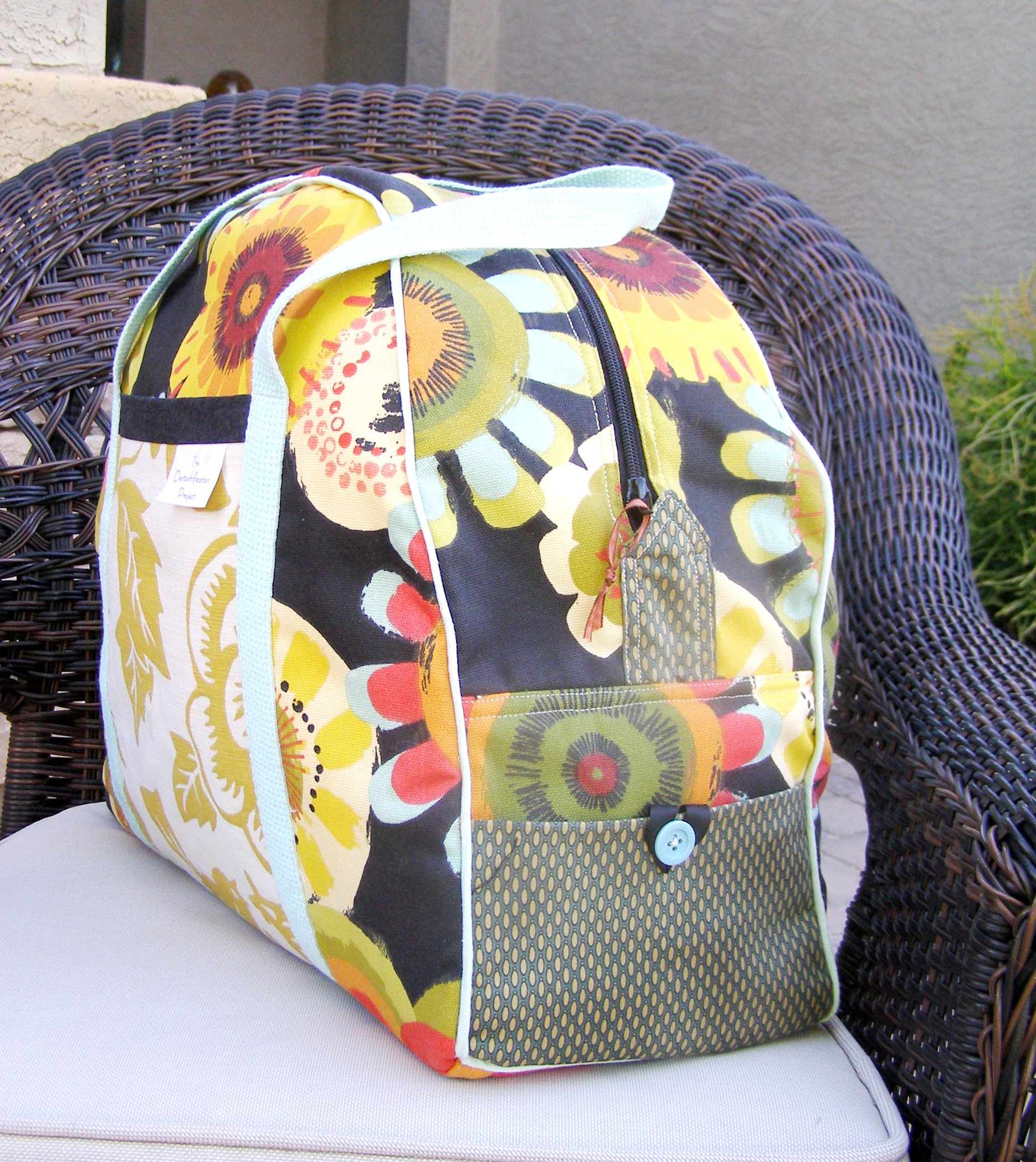
Tutorial Bag

Tutorial Bag – Done!

Completed Bag - Side View

Completed Bag – Side View

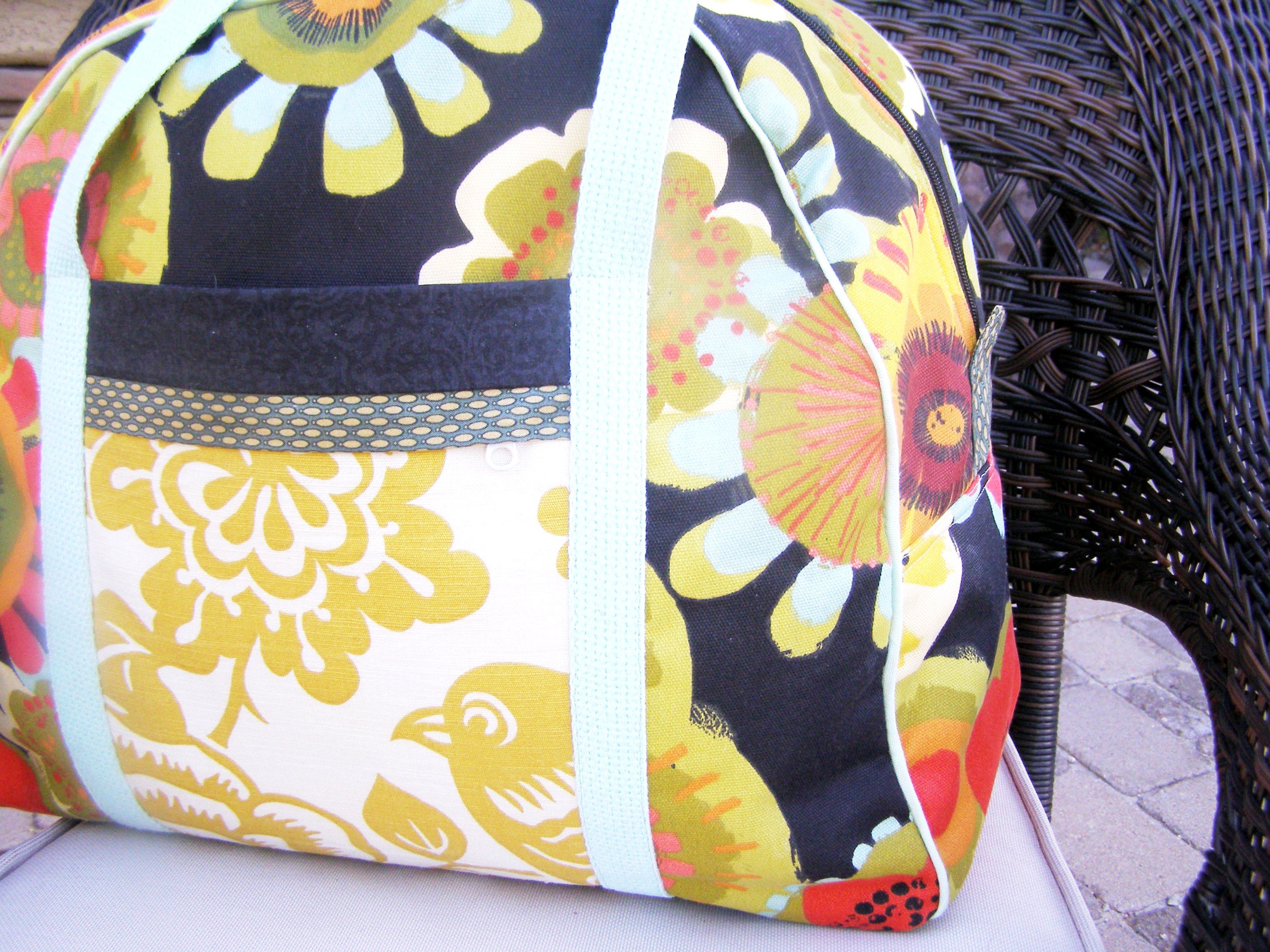
Another View

Another View

Enjoy!

Posted in Accessories, Bags, Purses, Scrap Couture, Sewing, Stash Couture, Tutorial, Uncategorized | Tagged , , , | 1 Comment

Tutorial for Scrap Bag Bag. Part 4: Lining and Curved Seams

Two Major pieces assembled!

Two Major pieces assembled!

The two major outer pieces have been sewn.  Now time to sew the lining – and that all important curved seam.

Lining: 

Lining Sides sewn to Lining Base - another large Oval!

Lining Sides sewn to Lining Base – another large Oval!

Lining Sides and Base:  Matching Centerpoint notches, sew lining Sides to lining Base using 1/2″ seam allowance RIGHT SIDES TOGETHER.

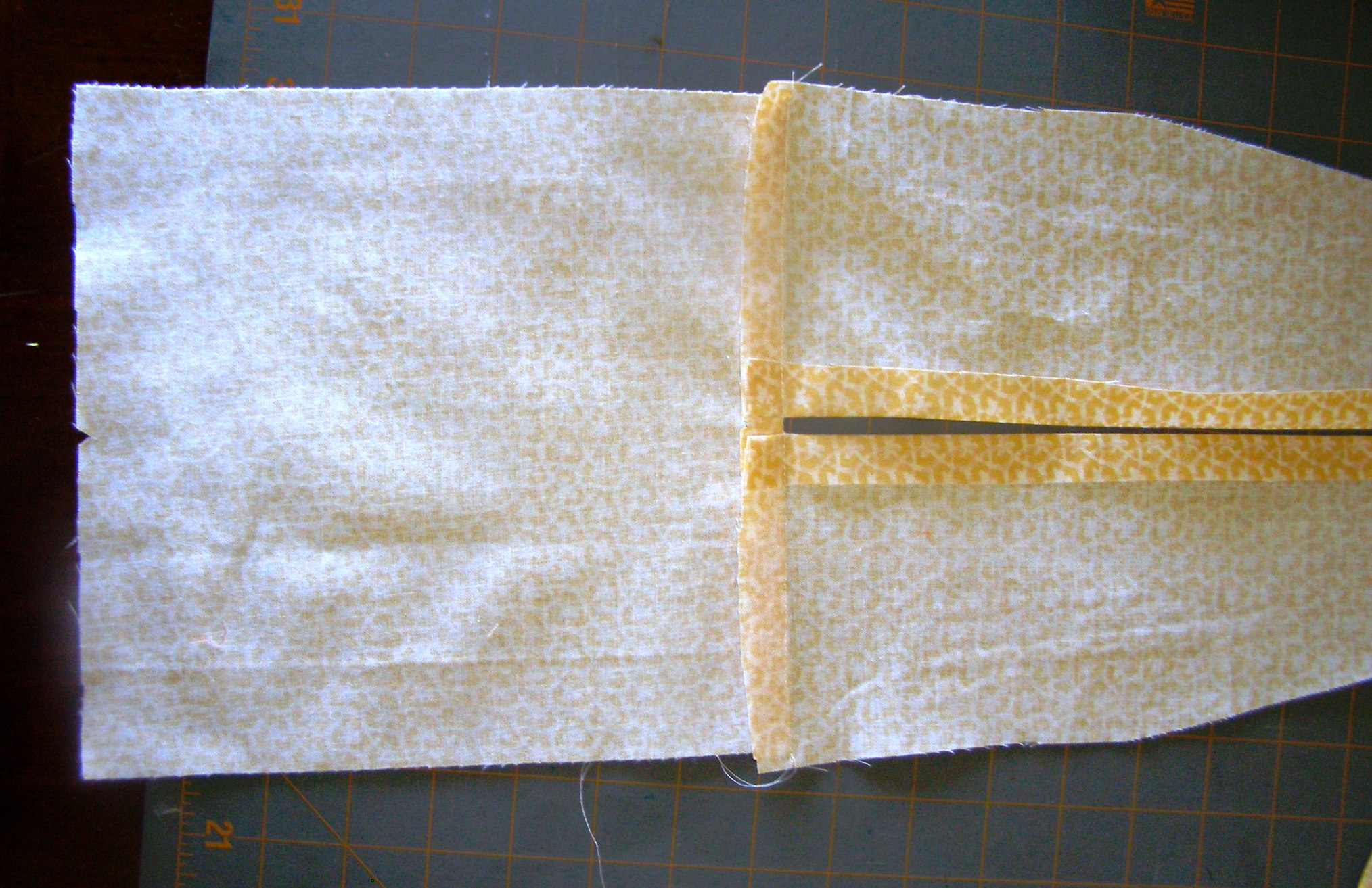
Lining Top and Ends:  Fold under 1/2″ of long straight edge of lining Tops.

Lining Ends to Lining Tops - with 3/8" space between folded edges of lining Tops.

Lining Ends to Lining Tops – with 3/8″ space between folded edges of lining Tops.

Leaving about 3/8″ space between folded edges of Tops, stitch Tops to Ends RIGHT SIDES TOGETHER.

Now the two major pieces of the lining have been sewn.

WOW!  That was much easier than the outer fabric pieces!

Because of the ease of sewing the lining, the curved seaming of the two major pieces will first be accomplished with the linings.

Pin and sew Top to curved edge of Side.

Pin and sew Top to curved edge of Side.

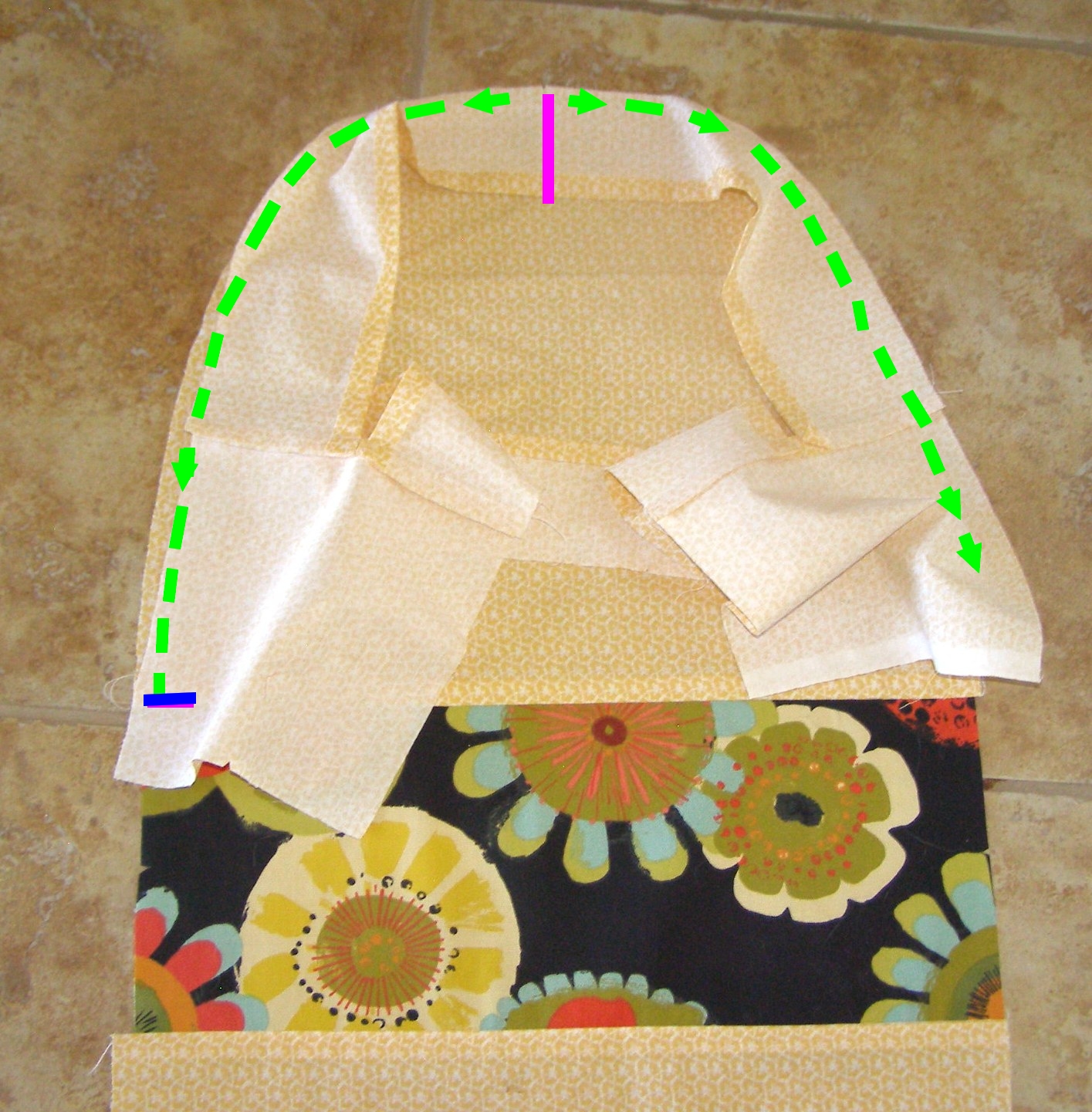
Match centerpoint of long curved edge of lining top with center point of curved edge of one of the lining Sides RIGHT SIDES TOGETHER.

Centerpoint is marked in pink in the upper portion of the photo.

Pin from Center points toward base.

Using 1/2″ seam allowance, stitch from Centerpoint to Base/Side seam on both sides.  Stop at Base/Side seam – shown in blue in the lower left of the photo.  Repeat for other Side.

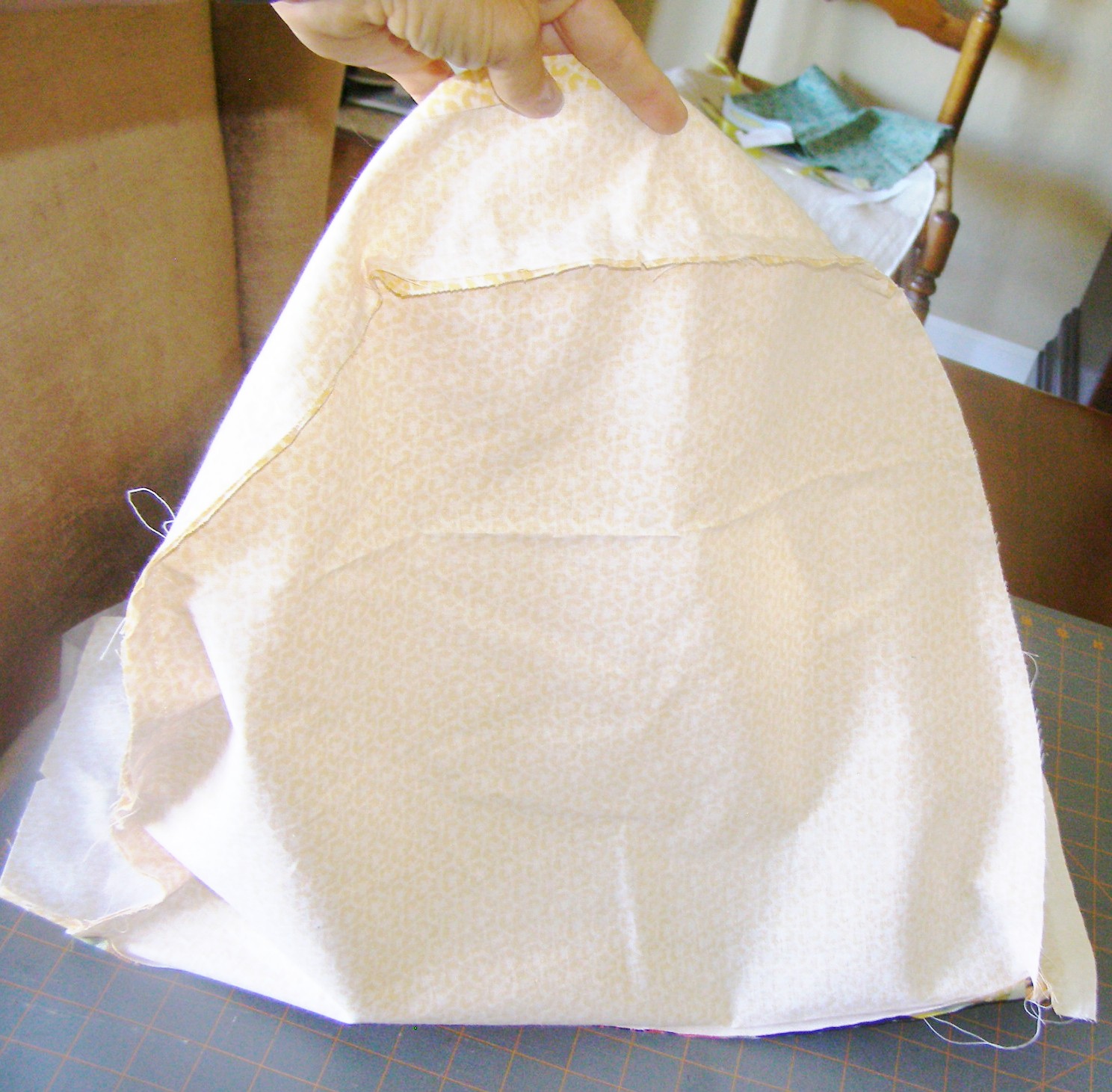
Floppy - but Bag-like!

Floppy – but Bag-like!

Do not turn right side out.

Held up – the rather floppy piece almost looks like a bag now.

When the Bag-esqe lining is set on its base, the bottom of the End pieces should look like they need to be sewn to the lining Base – and…. they do!

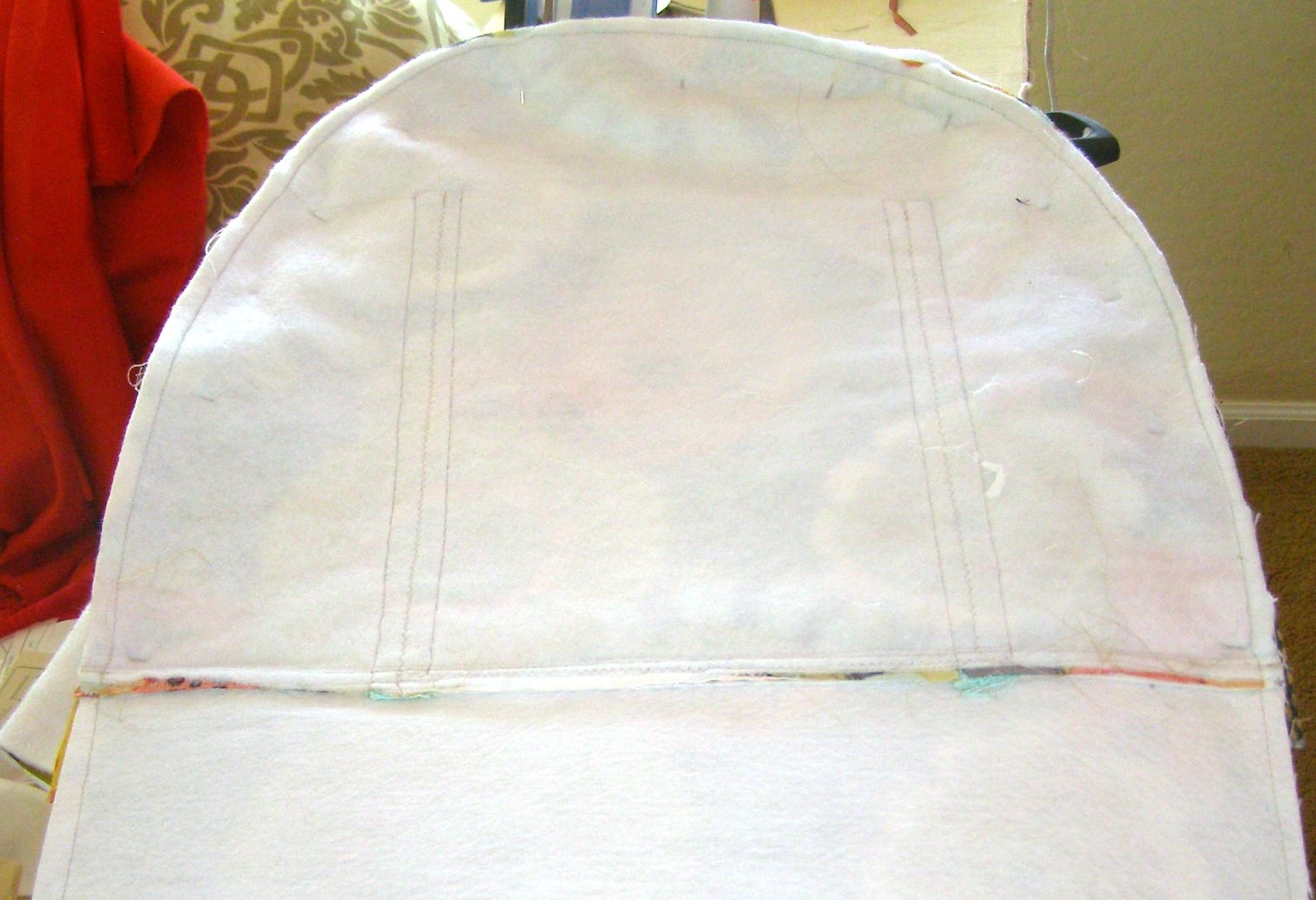
Hold the left and right side of the Base lining end and pull outward slightly.  The End pieces should align parallel – but the Ends will extend out a bit – see large photo below.

Sew across the Base and End 1/2″ from edge of Base.  The stitching line is shown as the green dotted line in the following photo:

Sewing line to sew Base to Ends.

Sewing line to sew Base to Ends.

There is no need to trim the excess.

Now the process of sewing the two major pieces together along the curved seam has been mastered – time to do it again – with the outer fabric pieces.

Important:  Unzip the Zipper!

Just as was done for the lining pieces, match the centerpoints of the curved Side to the centerpoint of the Top.  Pin from centerpoint toward Base.  Because of the batting, I use large pins for this.

While this curved seam was most likely sewn from the Top side of the lining, the piping requires it be sewn from the Side side of the outer fabric. (The top is pinned to the side in the following picture – it is just hard to see from the Side side.)

Top pinned to SIdes - sew along piping seam from centerpoint toward Base.

Top pinned to Sides – sew along piping seam from centerpoint toward Base.

Change to zipper or piping foot on sewing machine.  Stitch Top to Sides by sewing directly over Side Piping Seam ending at Base Seam with an inch or so of backstitching.

Repeat for other Side.

Sew Base to Ends directly over Piping Seam.

Sew Base to Ends directly over Piping Seam.

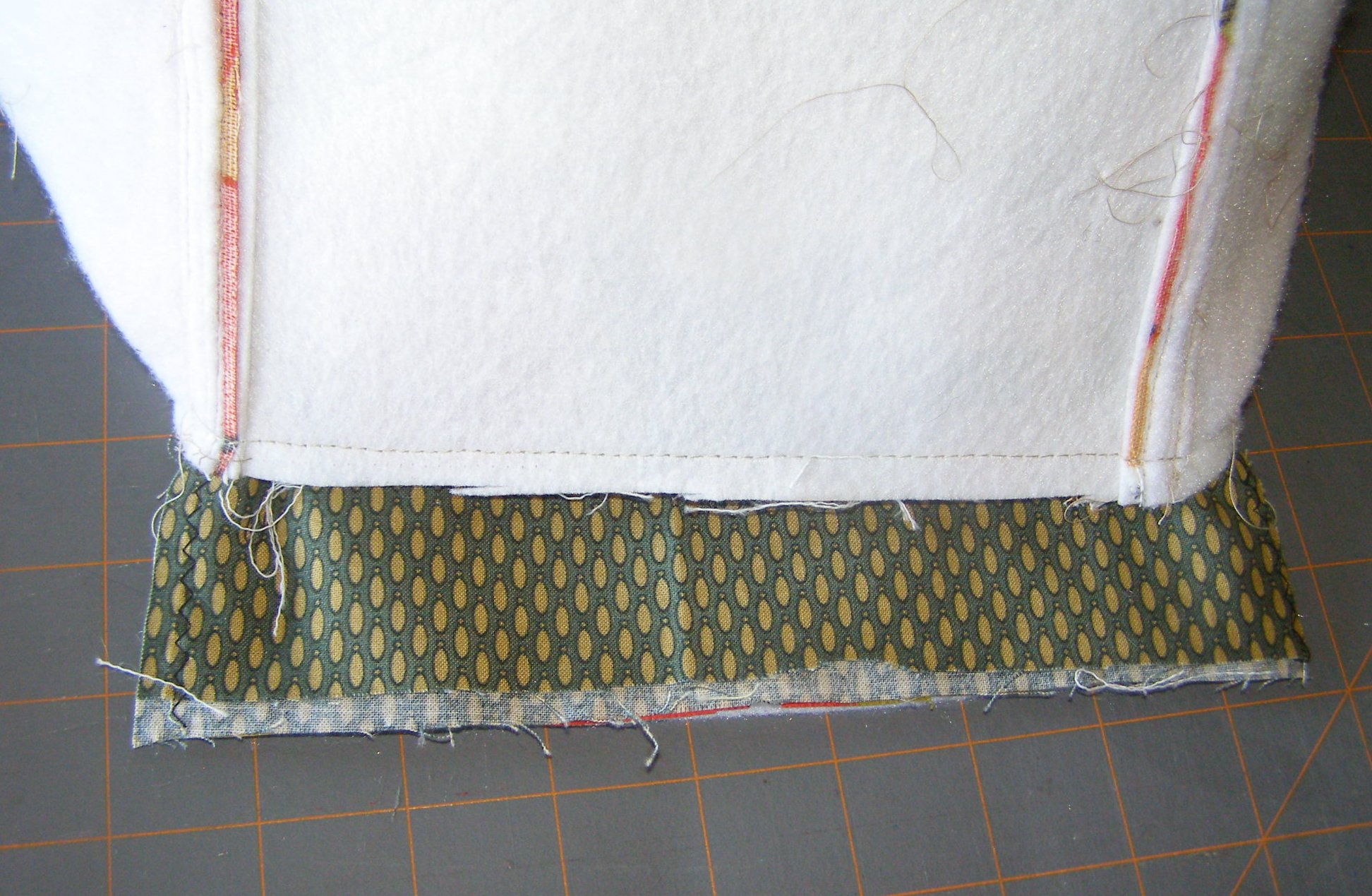
Pull Base as with lining to align Ends – again there will be excess Ends.  Stitch Ends to Base as with lining – but this seam will again be directly over Piping seam.

Because of the stiffness of the base and all the batting – it will not be possible to stitch all the way to the corners.  Don’t even try (Many needles have been broken attempting to do so!).  Getting within 1″ of the corners is even close enough – they will turn just fine.

Turn bag right side out.

Bag looks complete from the outside....

Bag looks complete from the outside….

It looks just like the finished bag from the outside!

But not finished inside!

But not finished inside!

YAY!

But not so much on the inside!

Next Post:  Attaching the lining to the bag!

Posted in Accessories, Bags, Purses, Scrap Couture, Sewing, Stash Couture, Tutorial | Tagged , , , | 3 Comments

Tutorial for Scrap Bag Bag. Part 3: Top, Zipper and Ends

Pockets, Handles, Sides and Base Complete and finished with Piping!

Pockets, Handles, Sides and Base Complete and finished with Piping!

A large Oval Object occupies a substantial percentage of the floor/couch/bed….so quickly onto the the other major piece.

Top:

Fold and press 1/2″ of long straight edge of Top FABRIC pieces.

Fuse batting up to 1/2" folded edge.

Fuse batting up to 1/2″ folded edge.

Trim 3/4″ from long straight edge of the two Top BATTING pieces.  Discard 3/4″ piece.

Place newly trimmed long straight edge of batting against this fold (WRONG side of fabric) and fuse.

Repeat using other Top and Batting Pieces.

The batting requires trimming as the folded edge will be stitched to the zipper.  Butting the batting to the fold not only creates a nice sharp fold, when stitched it will secure the batting to the fabric.

Zipper face down 1/4" from edge, showing seam line.Find midpoint of zipper. Match it to centerpoint of long straight edge of Top.

Place zipper FACE DOWN 1/4″ from edge of fabric – keeping centerpoints aligned.  Pin.

Pin ends of zipper tape away as shown in upper right of photo – it sort of looks like a “wing.”

Using a zipper foot, stitch the zipper to the Top Fabric by stitching 1/4″ from outer edge of zipper tape.  The stitching line is shown as the green dotted line in the photo.

When sewing the zipper seams, it may help to sew with the zipper unzipped for a few inches, then stop and raise the zipper foot, zip the zipper closed, lower the zipper foot, and then continue sewing.  The actual head of the zipper is often too large to sew around.

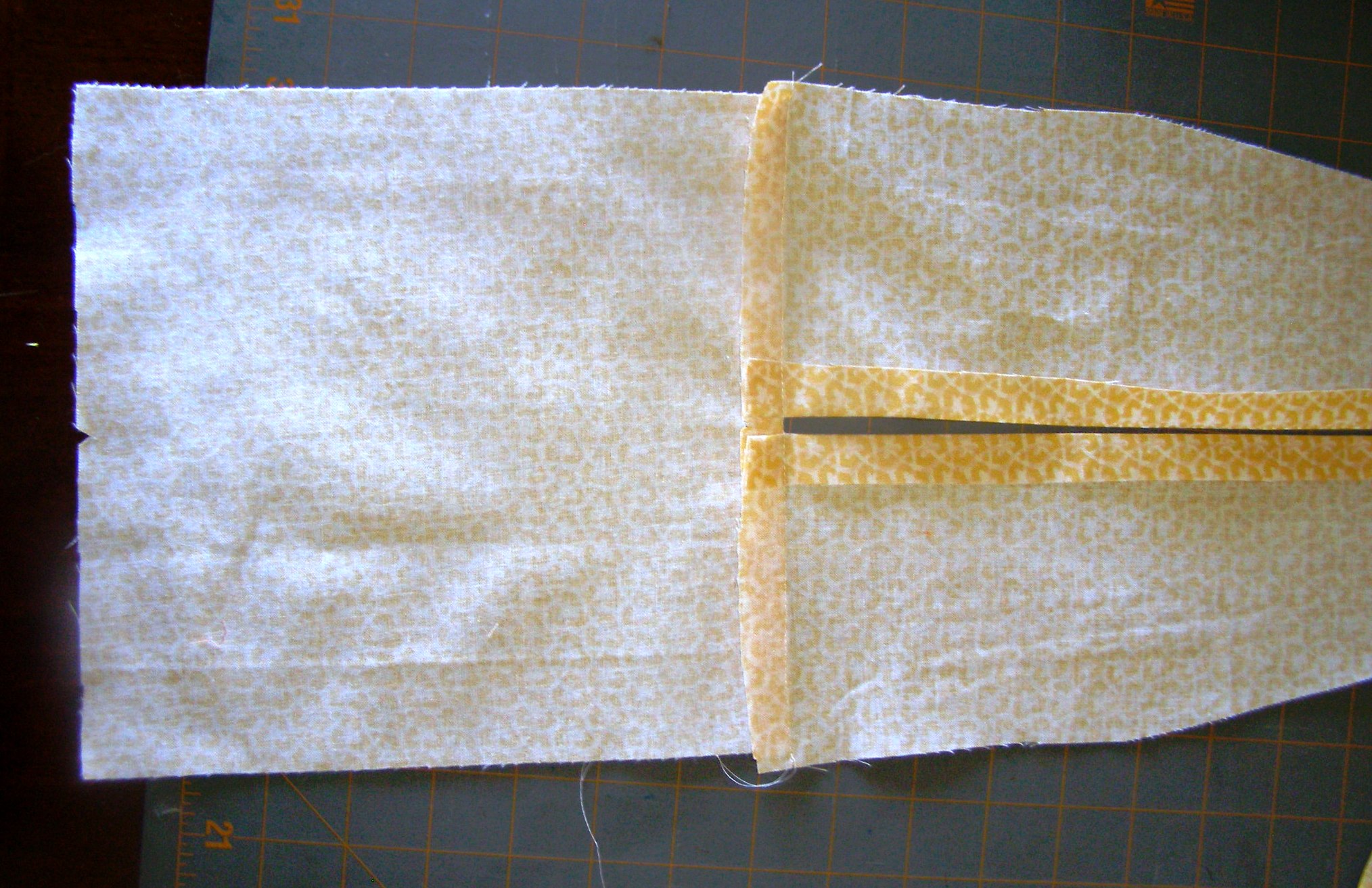
One side of Zipper completed!  Frustration-free!Note in the photo how the end of the zipper tape “fades” into the seam, eliminating any visible raw edges.  That is because of the “wings.”

Repeat for other side of zipper using other Top Piece.

When both sides of the zipper are complete, topstitch close to edge of fabric near zipper.

Double top-stitch is not required.  Securing separating zipper is.As shown in  this photo, I got ahead of myself and did a double topstitch on the zipper. Only the topstitching closest to the zipper needs to be completed at this point.  The second topstitch seam will be sewn after the lining is attached.

The photo does include an important step – if your zipper is a separating zipper (like a jacket zipper).  Hand stitches are being taken close to the base of the zipper to prevent it from “unzipping” all the way – and separating.  If using a purse or upholstery zippers – which do not separate – this step is not required.  

Notice also that the photo shows a 3/*” or so space between the two Top Pieces once the zipper ends.  The length of this space will depend upon the length of your zipper.  The space is covered later by the Zipper Stop.

Take a minute and congratulate yourself on putting in a zipper!  

OLYMPUS DIGITAL CAMERAZipper Stop:

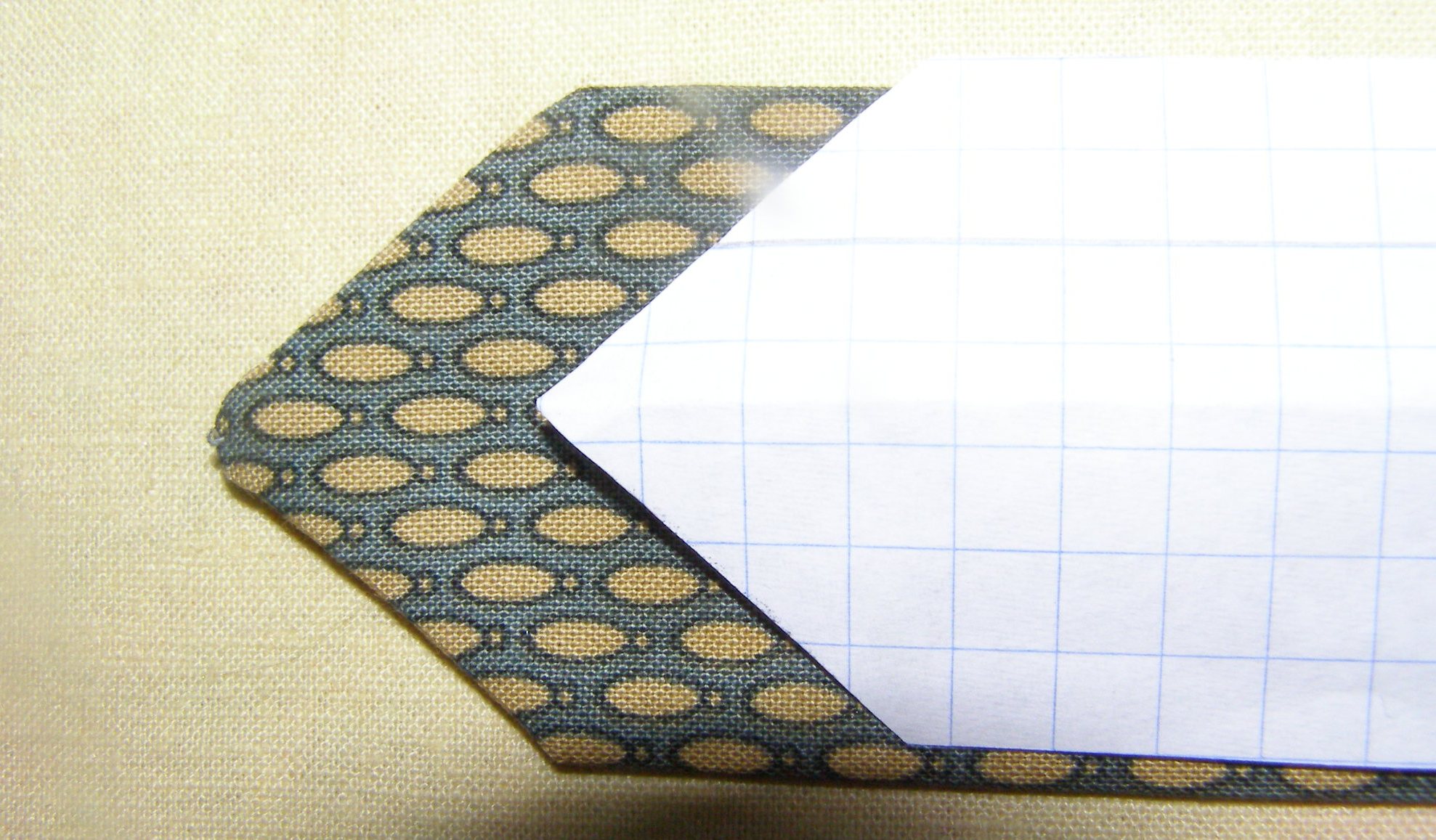
Cut a scrap of paper into a rectangle 1.5″ wide and 5″ or so long.  Cut an arrow head into one end.  I use graph paper for this as it makes the 90 degree angle of the arrow head easy,

Select two small pieces of coordinating fabric approximately 4″ by 6″.   Fold them in half length wise RIGHT SIDES TOGETHER.   Place side of arrowhead piece against fold and trace pattern directly onto fabric back.

Zipper Stop and Pattern.Sew on drawn lines leaving the narrow bottom straight end opened.  Trim seam allowances and arrowhead corners, and turn right side out. Press.

Top-stitch close to edge and again 1/4″ away.

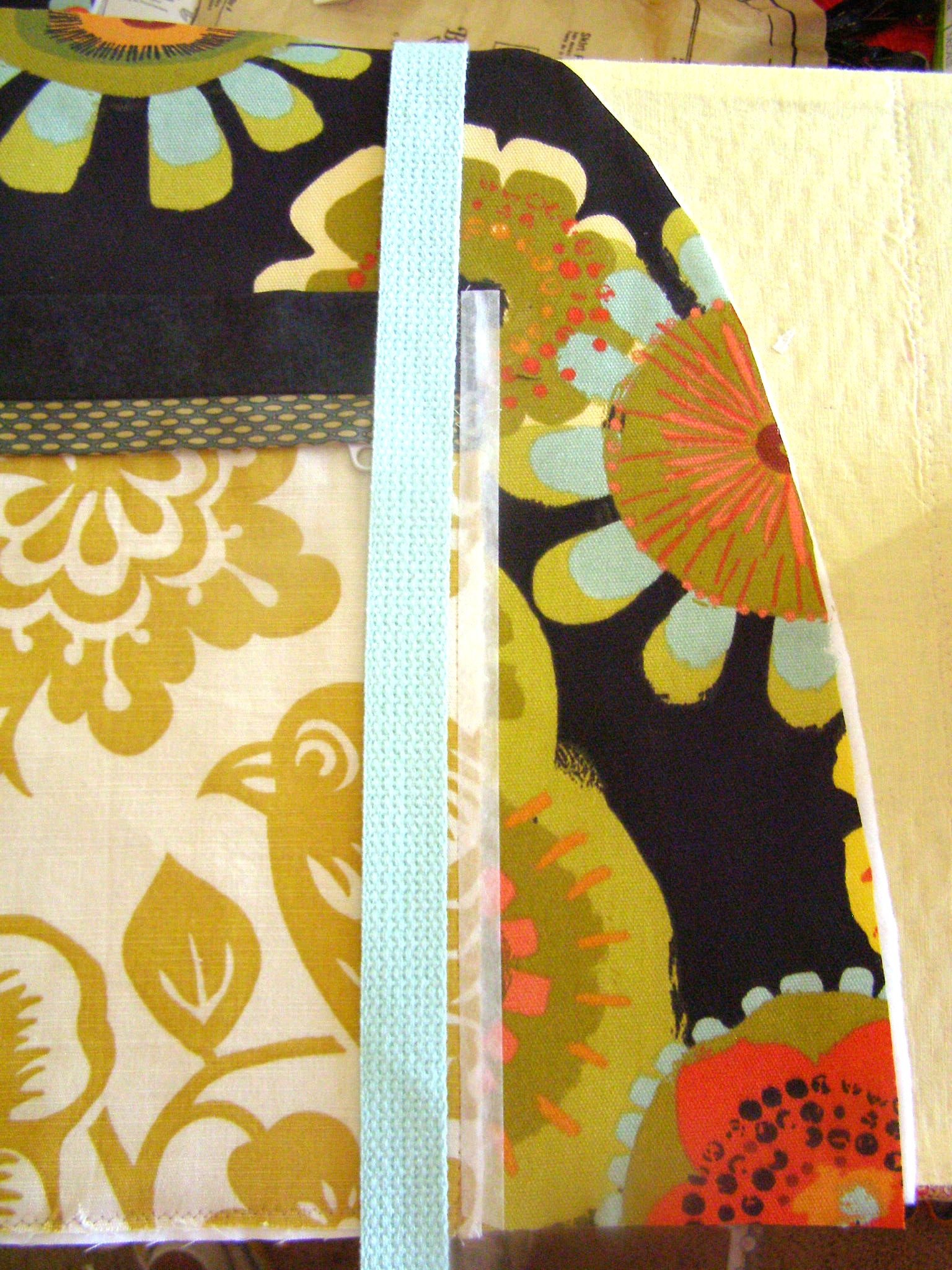
Place Zipper Stop directly over zipper ends.Place Zipper Stop directly over Zipper ends as shown in photo.  Somewhere between 1.5″ and 3″ of the 5″ long Zipper Stop will be required for this – depending on the size of your zipper.

Trim away any excess.

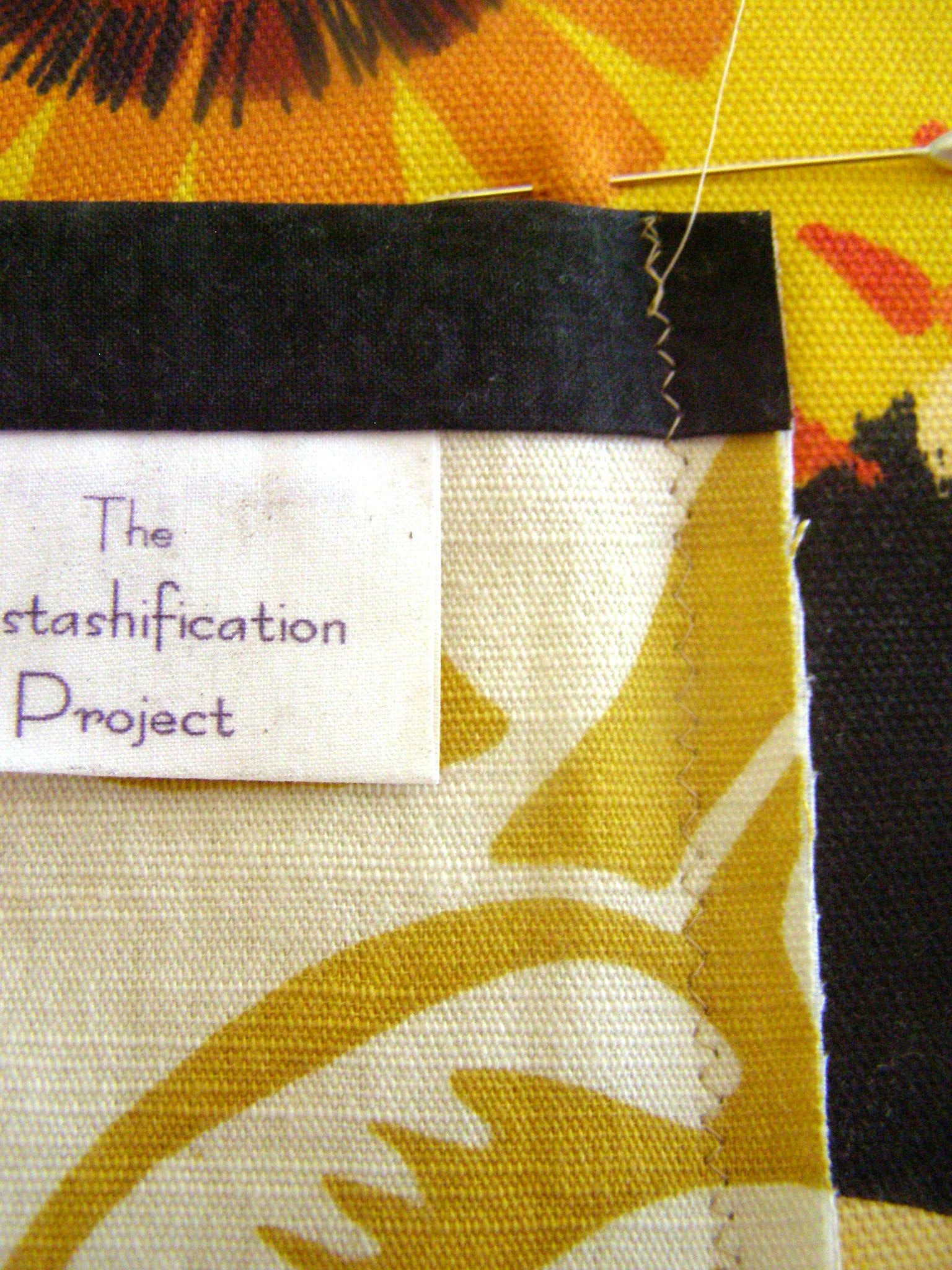
Topstitch  over the previous Topstitching along the sides of the Zipper Stop – do not try to topstitch the arrowhead portion.  It should remain free (and doing so will break the sewing machine needle.)

Secure the base of the Zipper Stop by zig-zag stitching back and forth.

And now it is time to join the Tops to the Ends.

Ends

Fuse batting to WRONG sides of Ends.  To avoid confusion, mark the top end of the End with a pin.

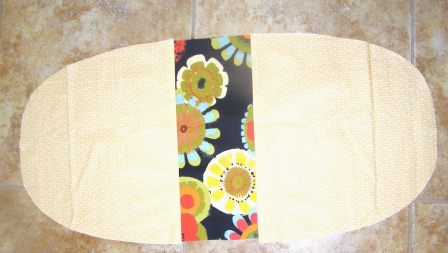
End Sewn to Tops (of lining)

End Sewn to Tops (of lining)

Apologies.  I forgot to take a photo of this step.  The photo to the right is of the same step – just of the lining.

Align centerpoint of top end of Top with the centerpoint of lower end of Zipper Stop (the space between the two tops will be under the Zipper stop)  RIGHT SIDES TOGETHER.

Stitch together, using 1/2″ seam allowance.

Press seam toward Ends.  Topstitch close to seam and again 1/4″ away.

Two Major pieces assembled!

Two Major pieces assembled!

Take a minute to congratulate yourself… the two major pieces have been assembled!

Yes, it is a stretch of the imagination to see how these two gargantuan pieces become a bag.  The following photo might help:

Top will fit along the curved edge.  Lower edge of Ends fit to Base.

Top will fit along the curved edge. Lower edge of Ends fit to Base.

But prior to tackling the workout that will be sewing the stiff straight edge to to an even stiffer curved edge piece, the next post will start with sewing the nice flexible single layer lining together.

Posted in Accessories, Bags, Purses, Sewing, Stash Couture, Tutorial | Tagged , , , | Leave a comment

Tutorial for Scrap Bag Bag. Part 2: Pockets, Handles, Sides and Base.

A Sketch of how the pieces all for together to make the bag.

A Sketch of how the pieces all for together to make the bag.

All pieces, batting and lining have been cut out. Pockets have been “topped” with a contrast fabric….let the sewing begin.

Sorry.  The sewing has to wait – just a bit longer.  Fusing comes first.

Following manufacturer’s instructions, fuse the batting to the WRONG side of the Side and End pieces.  (But not the Top at this time.)

To mark Pocket placements – mark the Handle and Pocket Placement Lines shown on the Printed and Tape Side Pattern onto the RIGHT side of the Side fabric pieces.

This is simple to accomplish by just poking a hole in the printed pattern and marking the blue diamond location with a pin.  Making a small snip (less than 1/4″ long) is an easy way to mark the placement line at the lower edge.

Pockets located on both Sides.

Pockets located on both Sides.

Place top of Pockets so edges meet pins marking blue diamonds and lower edge snips.

Press.

Sewing the Pockets to the Sides requires sewing though a number of layers of fabric – and a layer of batting.  If you have a walking foot – using it would be a good idea.

Narrow fusible web used to hold pockets in place for stitching.

Narrow fusible web used to hold pockets in place for stitching.

Alas, I do not own such technological advancements.  So, I resort to fusing (repeatedly).

I use 1/2″ wide fusible webbing that comes in a roll.  I use it to fuse the raw left and right edges of the Pocket to the Sides.

Because the Pocket has a lining, a multi-layered “sandwich” is formed:  Side – fusing – Pocket Lining – fusing – Pocket Fabric.

This multi-layered fusing secures all the layers together nicely so that sewing the pockets will be pucker free – for those of us that are “sans walking foot.”

 Match upper pocket to pins marking blue diamonds.

Zig-zag Pockets to Sides – note raw edges.

Note that the raw edges of the Pocket and Pocket Lining are NOT turned under.

Zigzag down the right and left edges of the pockets about 3/8″ from raw edges as shown in photo.

Handles:

To avoid confusion, the cotton or nylon webbing that is used for the handles will be referred to as “handles”.  The fusible webbing will be called “fusible webbing”.  Who knew?  Two different webbings in the same project? 

Cut two handles about 48″ long.

Fusible webbing and Pocket edges that will be covered by handles.

Fusible webbing and Pocket edges that will be covered by handles.

Place handles over Pocket right and left edges, covering zig zag stitching and raw edges – and being careful not to twist.

Fuse handles to Pocket side edges using fusible web (yes, another layer to the fusing sandwich). This fusing will prevent movement of handles while sewing.

Topstitch handles in place.  To do this, I stitch from bottom edge up to top of pocket along outer edge of handles, across handles, and then down inner edge of handles.

Handles fused and topstitched.

Handles fused and topstitched.

As the top of the stitched portion of the handle is a “stress point”, sewing an “X” across the handles at that point will provide more strength.

Base:

If your Really Stiff Stuff is fusible, fuse it to the WRONG side of the Base.  If it is not fusible, use a few small pieces of fusible webbing to secure it the Base.

Bag Sides and Base aligned.  ITS BIG!

Bag Sides and Base aligned. ITS A BIG OVAL!

Align the Base and the two Sides together to see how large the completed piece will be.

If your sewing machine backs up to a wall, it might be a good idea to move it a few inches (or more) away from the wall.  The size and the stiffness of the large piece require space for maneuvering!

Match Centerpoint notches of one Side Piece to Centerpoint notches of the Base RIGHT SIDES TOGETHER, and stitch seam using a 1/2″ seam allowance.  Stitch again using 1/4″ seam allowance.

Base/Side seam with topstitching.

Base/Side seam with topstitching.

Press seam toward base.  Topstitch close to seam and then again 1/4″ away.

Repeat for other Side piece.

Printers may slightly shrink or enlarge the Side pattern.  The sides and the base may not line up perfectly – which is not a issue.  Trim excess so edges are even.

Trim Sides and/or Base if they do not align.

Trim Sides and/or Base if they do not align.

Stitch around entire piece 1/4″ from edge (Yes, the whole big oval shaped thing!).

This stitching line will form a guideline for the piping.  It also secures the not-always-100% fused-fusible-batting to the edges.

Piping:

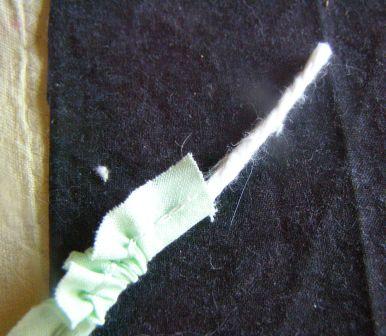
Pull cording about 1" out of piping fabric.

Pull cording about 1″ out of piping fabric and cut the cording.

Pull the white cording out of the cording fabric about 1″ and cut the white cording off.  The inch of piping without the cording will allow you to stitch over it to start. 

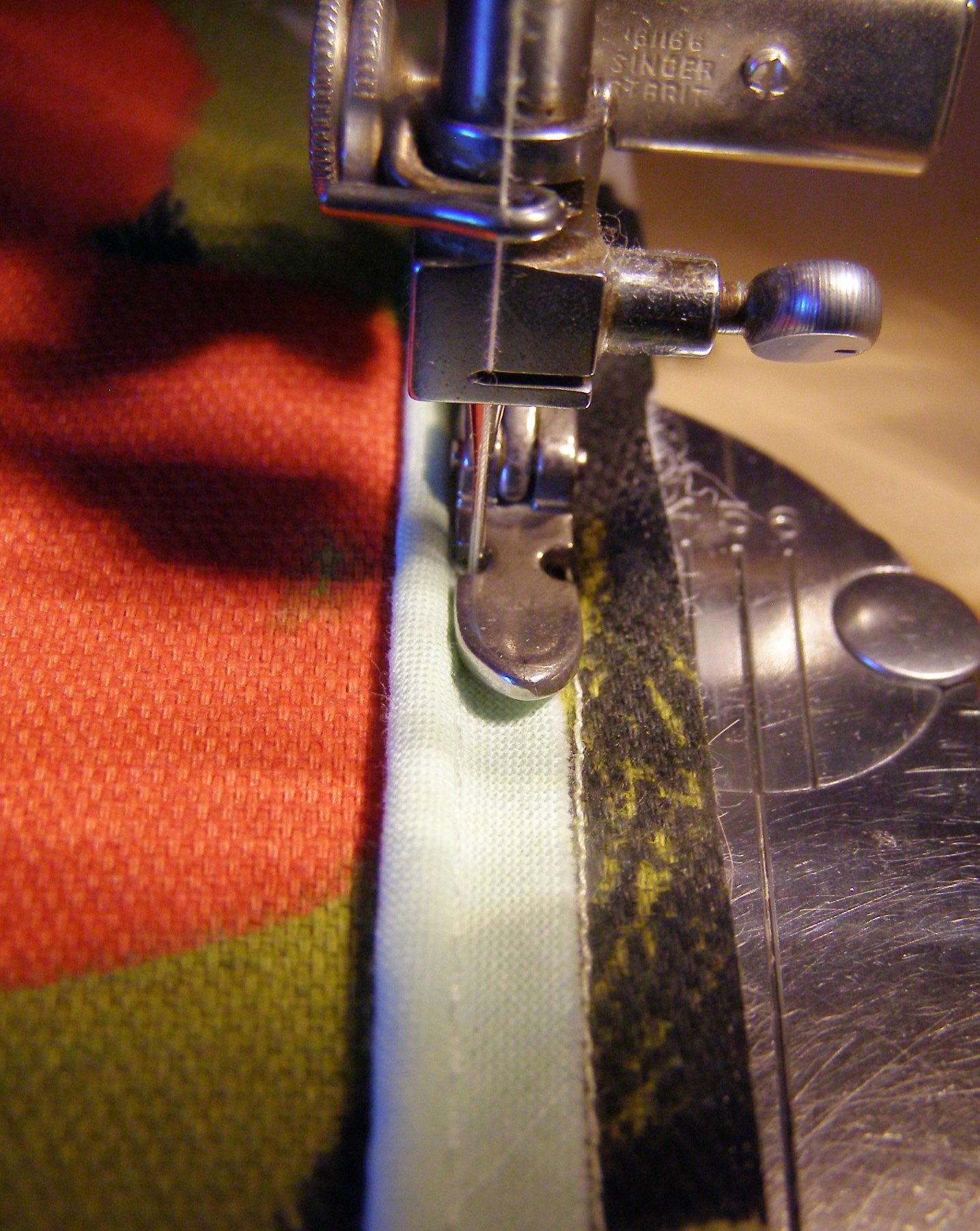
Change to piping or zipper foot on sewing machine. Place piping, raw edges outward, so the raw edge lines up with the stitched 1/4″ guideline.

Start stitching piping by sewing over portion without cording.

Start stitching piping by sewing over portion without cording.

Start stitching by sewing over the first inch of piping with no cording at an angle – as shown in the photo.  Then straighten piping and stitch it around entire outer edge of large oval piece – starting and ending somewhere within the Base.

Stitch piping by aligning raw edge to 1/4" guideline stitching.

Stitch piping by aligning raw edge to 1/4″ guideline stitching.

When there is about 5″ of left to attach piping to, stop stitching and cut the piping about 1″ longer than required. 

Pull out about 1″ of cording and cut it off. Overlap the end over the start at an angle and continue stitching.

Green rectangle shows overlap of piping start and finish.

Green rectangle shows overlap of piping start and finish.

This will give a nice, barely visible finish to the start/finish of the piping.


Pockets, Handles, Sides and Base Complete and finished with Piping!

Pockets, Handles, Sides and Base Complete and finished with Piping!

Now the large oval piece is complete…and beautiful.

The next post will focus on the Tops, Zipper and Ends.

Posted in Accessories, Purses, Scrap Couture, Sewing, Stash Couture, Tutorial | Tagged , , | Leave a comment

Tutorial for the Scrap Bag Bag. Part 1: Pattern and Cutting

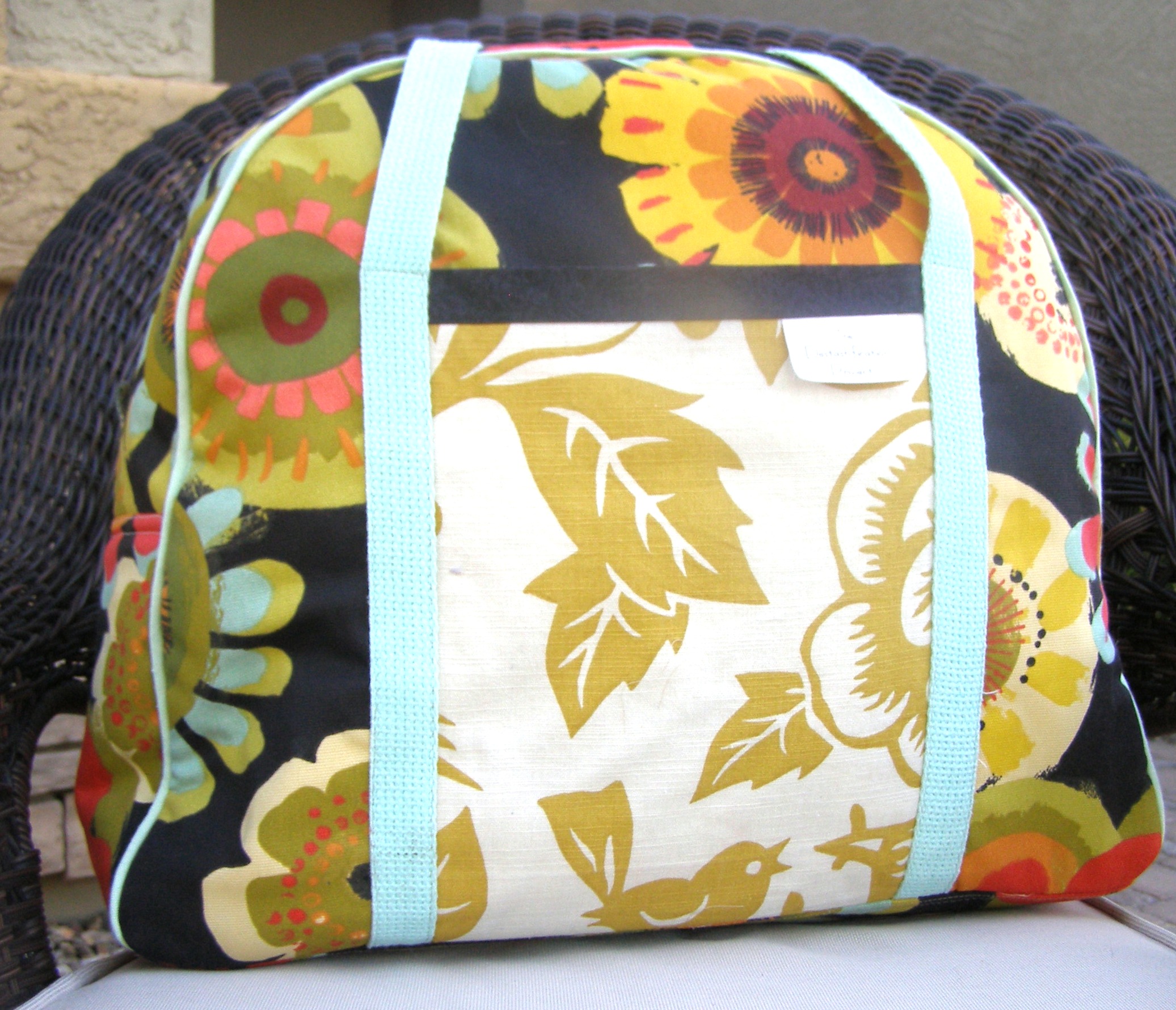
Scrap Bag Bag

Scrap Bag Bag

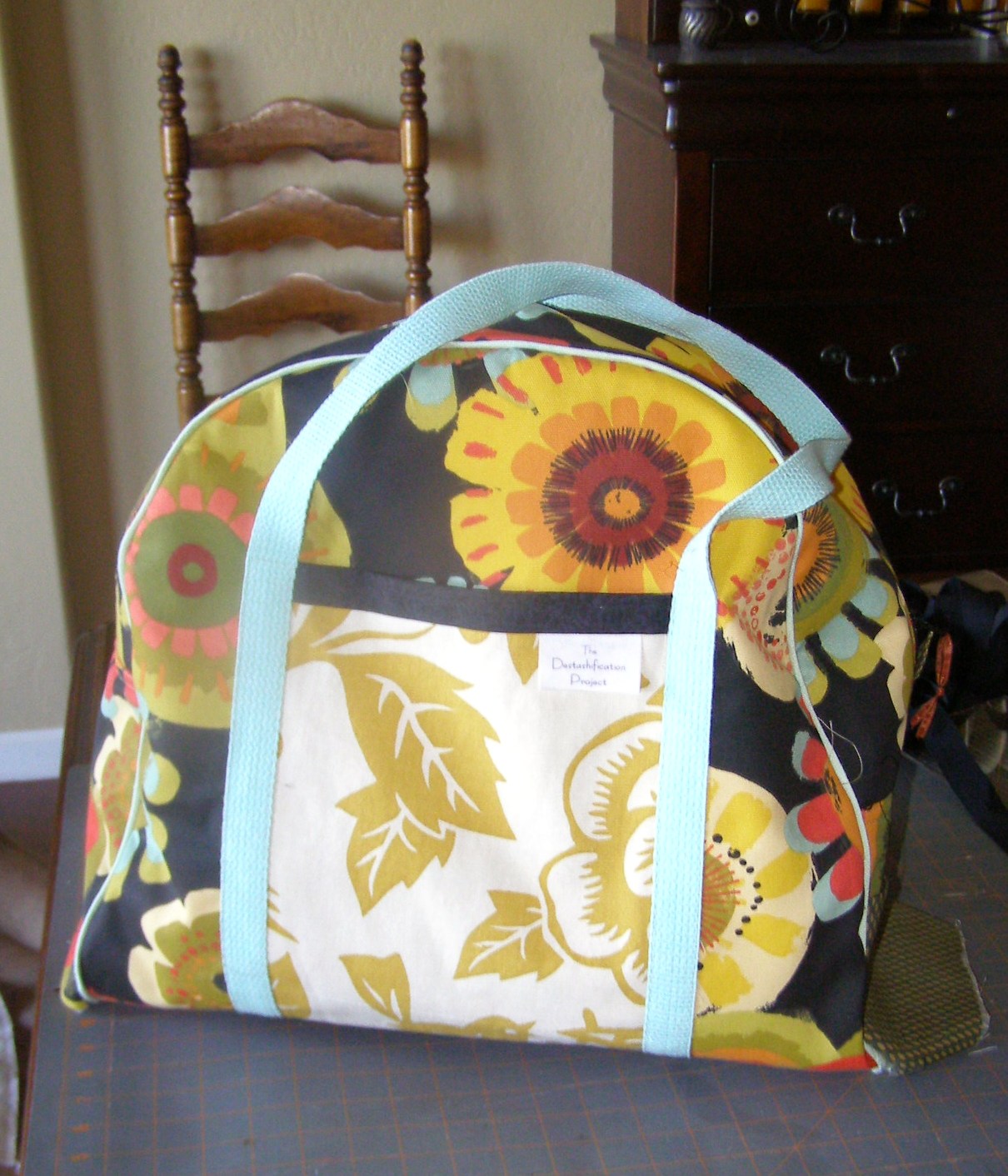
The Scrap Bag Bag is a perfect overnight bag – fun, roomy, zippered closures, lightweight – and sews up quickly using Stash Fabrics.

Today’s post is the tutorial for sewing these fun and functional Destashification bags.

Materials:

  • Fabrics – A yard or so for the bag.  Another yard for the lining. Some coordinating remnants for the pockets.  Or…Destash and use different fabrics!
  • Webbing, which may be referred to as belting – 3 yards
  • Piping – 3 yards
  • Fusible Batting – a yard or so.  I used Thermolam.
  • Really Stiff Stuff – enough to cut a 18.5″ by 8″ rectangle.  I think I used something called Peltex.  Non-fusible or fusible on one side.
  • Zipper:  22″ – 24″ Heavy Weight
  • Fusible webbing on a roll – 1/2 inch wide. (Optional, but great stuff!)
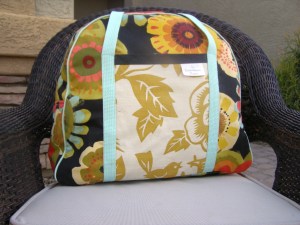
Tutorial Bag

Tutorial Bag

Fabric Choice:

The original Scrap Bag Bag is sewn from quilting weight cottons.   The Tutorial Bag is sewn from Home Dec fabric.  Although both types of fabric work well, I would recommend using the quilting weight cottons if not an experienced sewer.

I would also recommend darker colored fabric for the base.  Overnight bags are often placed on surfaces that would not pass a white glove test.
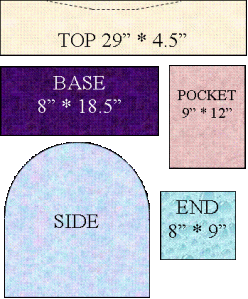
image002The Pattern Pieces:
All Seam allowances are 1/2″ and are included in patterns and rectangle measurements.

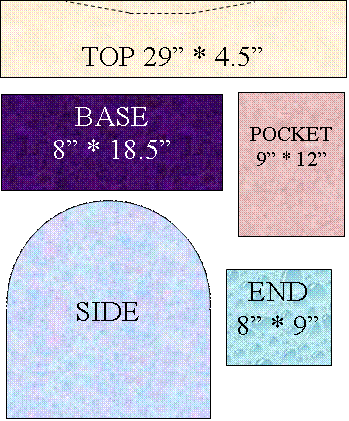
There are 5 Main Pattern Pieces for the Bag – Side, Base, End, Top and Pocket.  The Side Piece is the only piece that requires printing.  The other pattern pieces are simply rectangles.  Specific directions for each is discussed individually below.
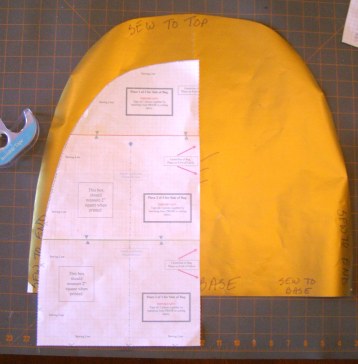
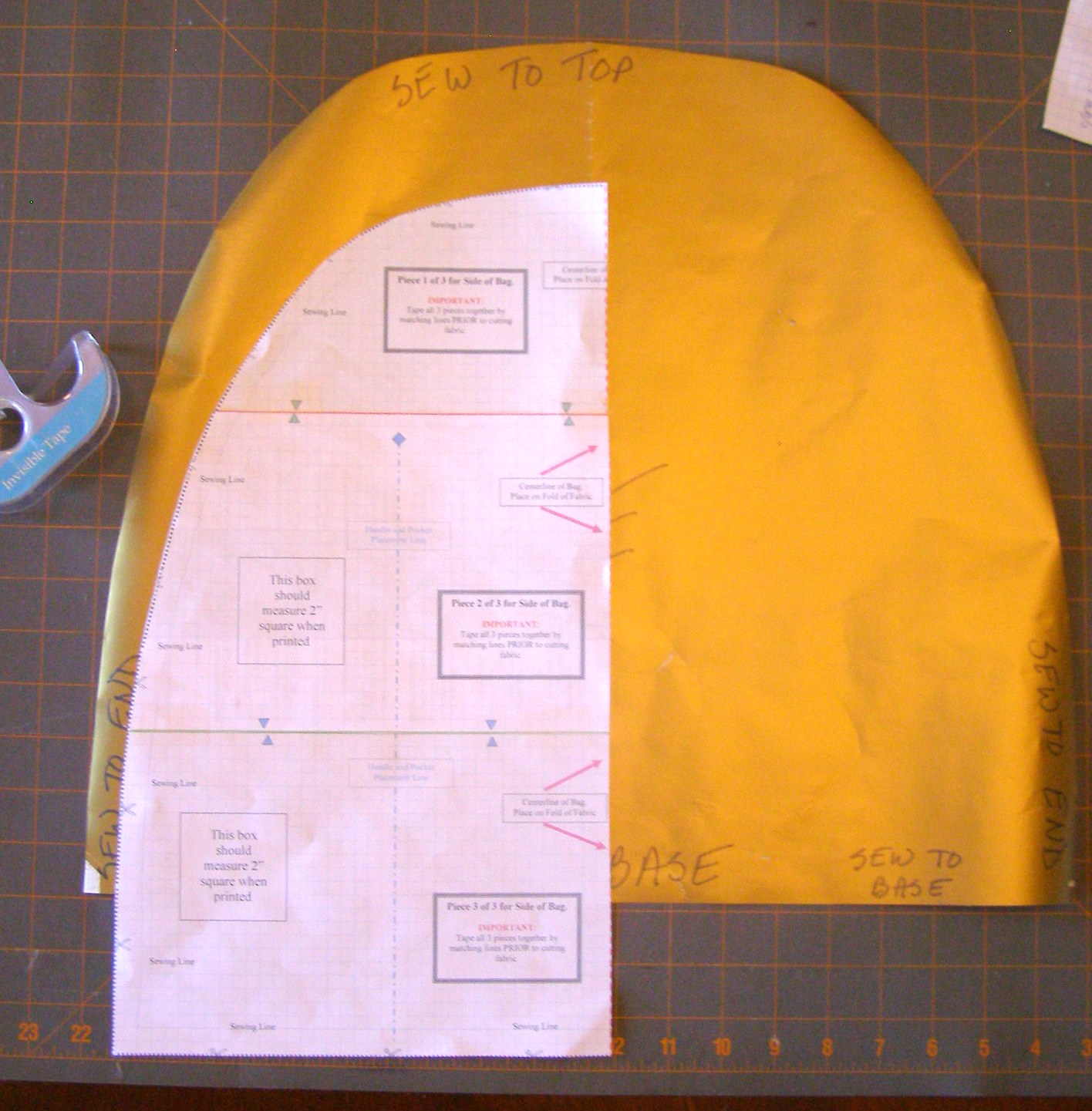
Bag Side Pattern Piece from 3 printed pieces - traced onto wrapping paper,

Bag Side Pattern Piece from 3 printed pieces – traced onto wrapping paper,

Bag Side:

Print the three pattern pieces used to create the curved Bag Side and tape them together matching colored triangles. They are designed to print on letter-sized paper (click “Read Only” when prompted)

This will create one half of the Bag Side.

Fold wrapping paper, place longer straight edge of pattern on fold and trace pattern to create full sized Bag Side pattern.

Cut the following using the full-sized Bag Side pattern:

  • Fabric – Cut 2
  • Lining – Cut 2
  • Batting – Cut 2

The remaining pattern pieces for the Bag are, with one exception, rectangles.   I measured/drew the rectangles onto the back side of inexpensive wrapping paper (from that After Christmas Clearance Sale Wrapping Paper Stash) and cut them out.

Base Rectangle

Base Rectangle

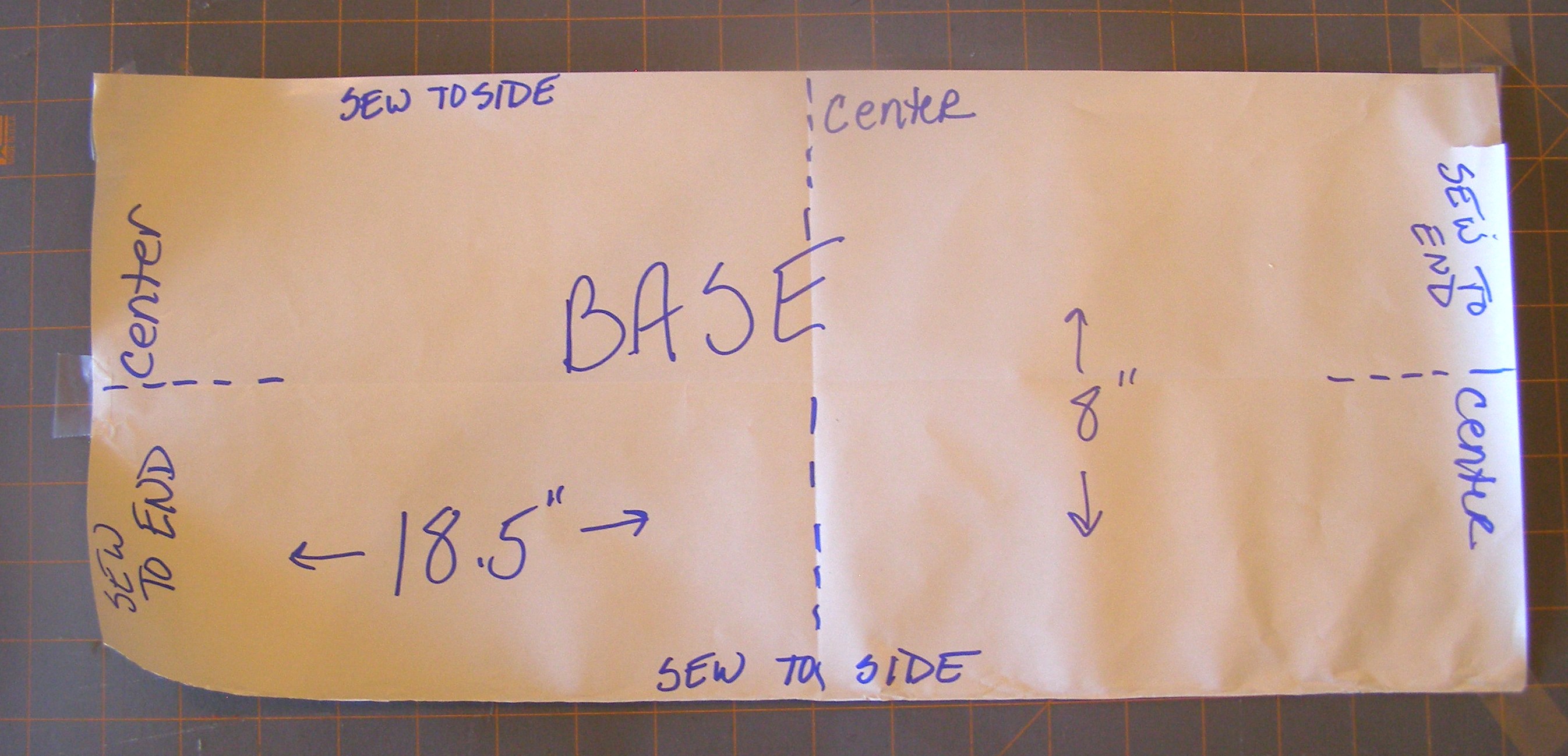
Bag Base:  Rectangle is 18.5″ by 8″.

  • Fabric – Cut 1
  • Lining – Cut 1
  • Really Stiff Stuff – Cut 1

Fold to find centerpoints as marked on pattern in photo.
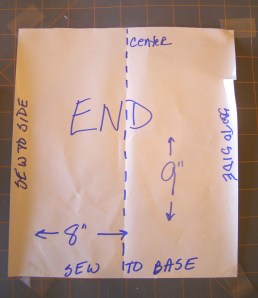
End Rectangle

End Rectangle

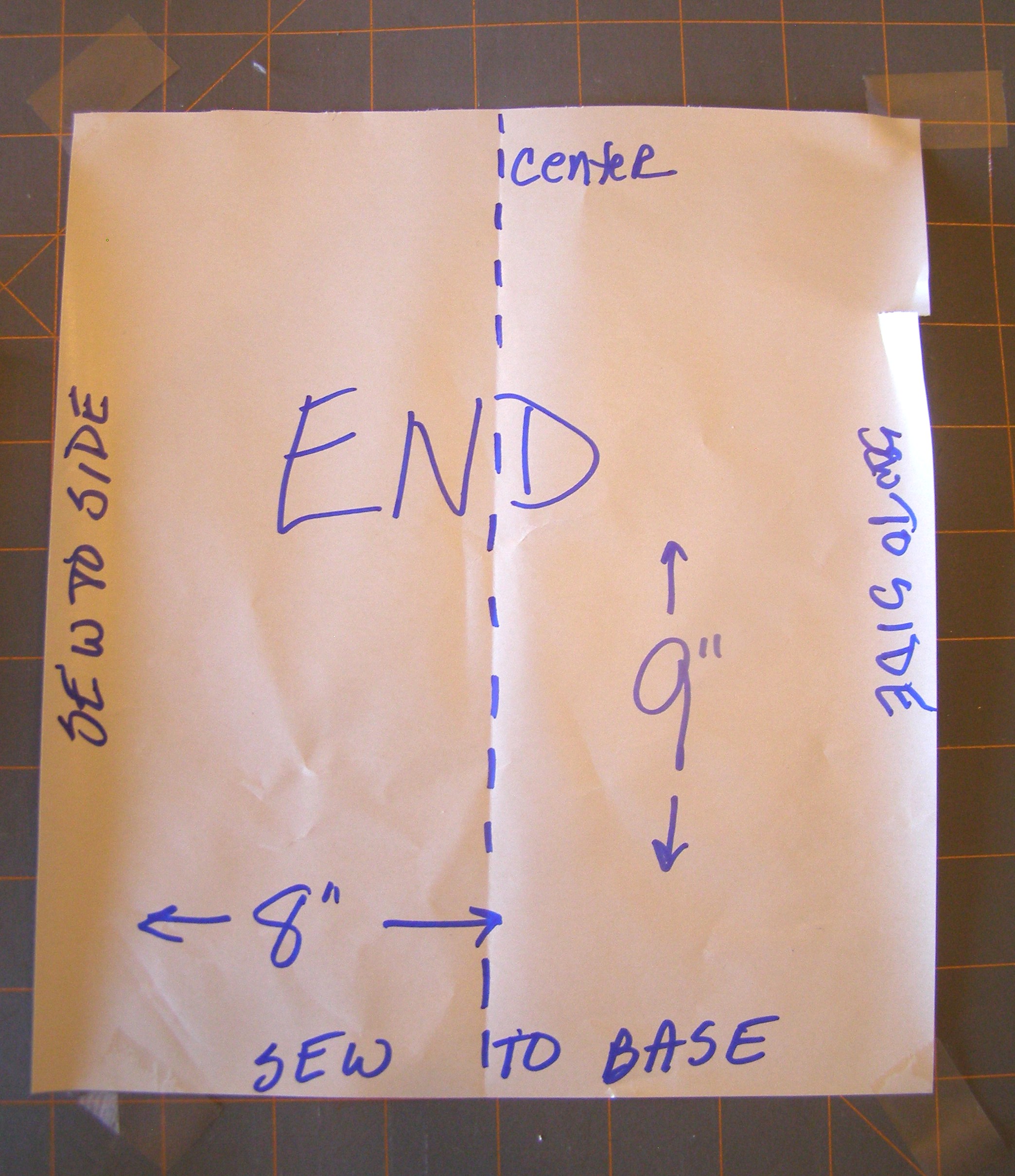
Bag End:  Rectangle is 9″ tall by 8″ wide.

  • Fabric – Cut 2
  • Lining – Cut 2
  • Batting – Cut 2

Fold to find vertical centerpoint as noted on pattern in photo.
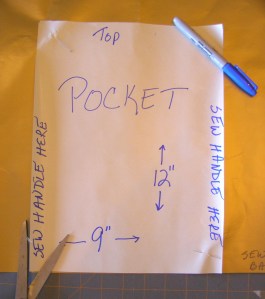
Pocket Rectangle

Pocket Rectangle

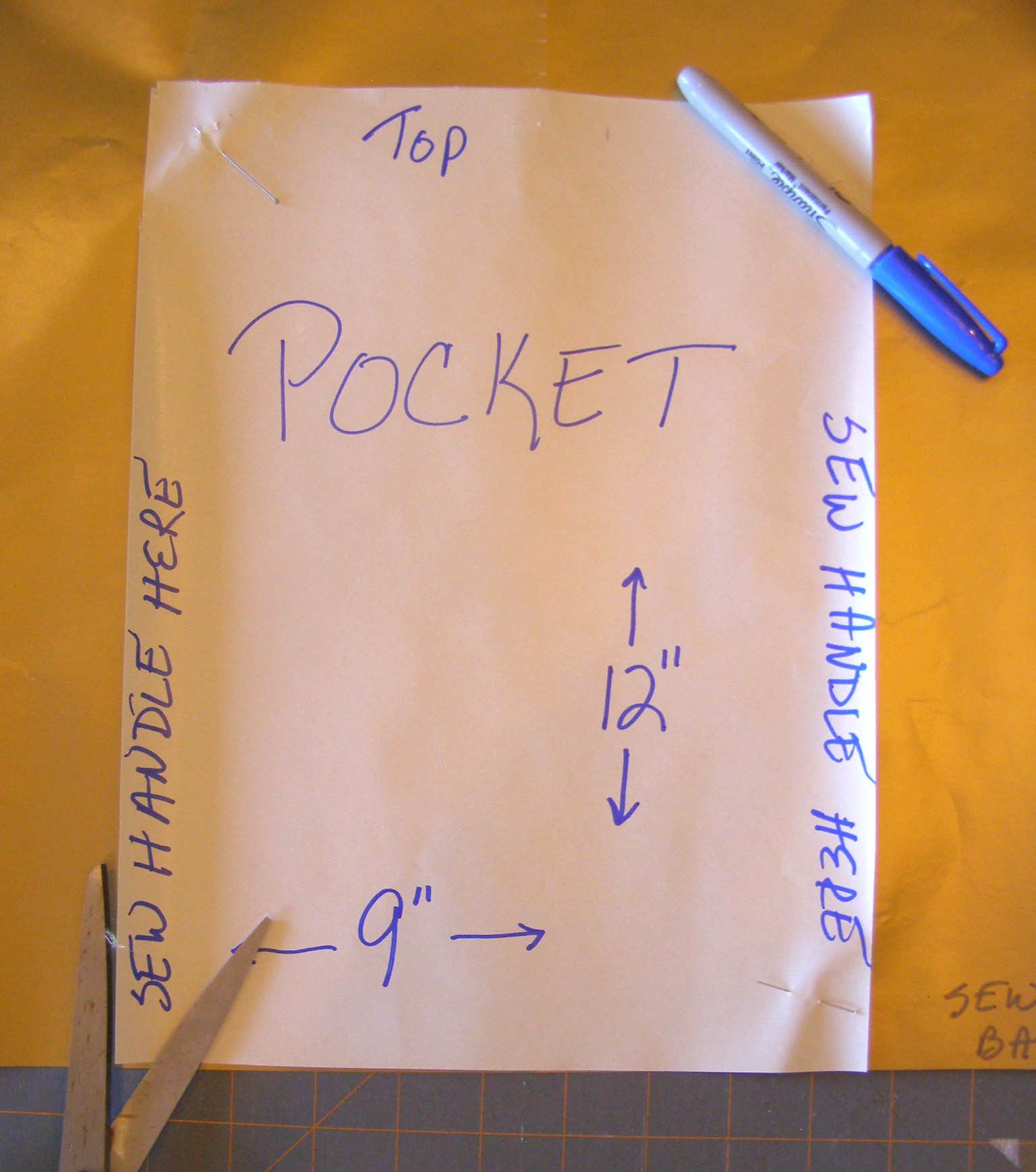
Bag Side Pocket:  Rectangle is 12″ tall by 9″ wide.

  • Fabric – Cut 2
  • Lining – Cut 2
  • Will also need 2 darker colored rectangles that are 5″ by 9″.  These will form trim at top of pocket.

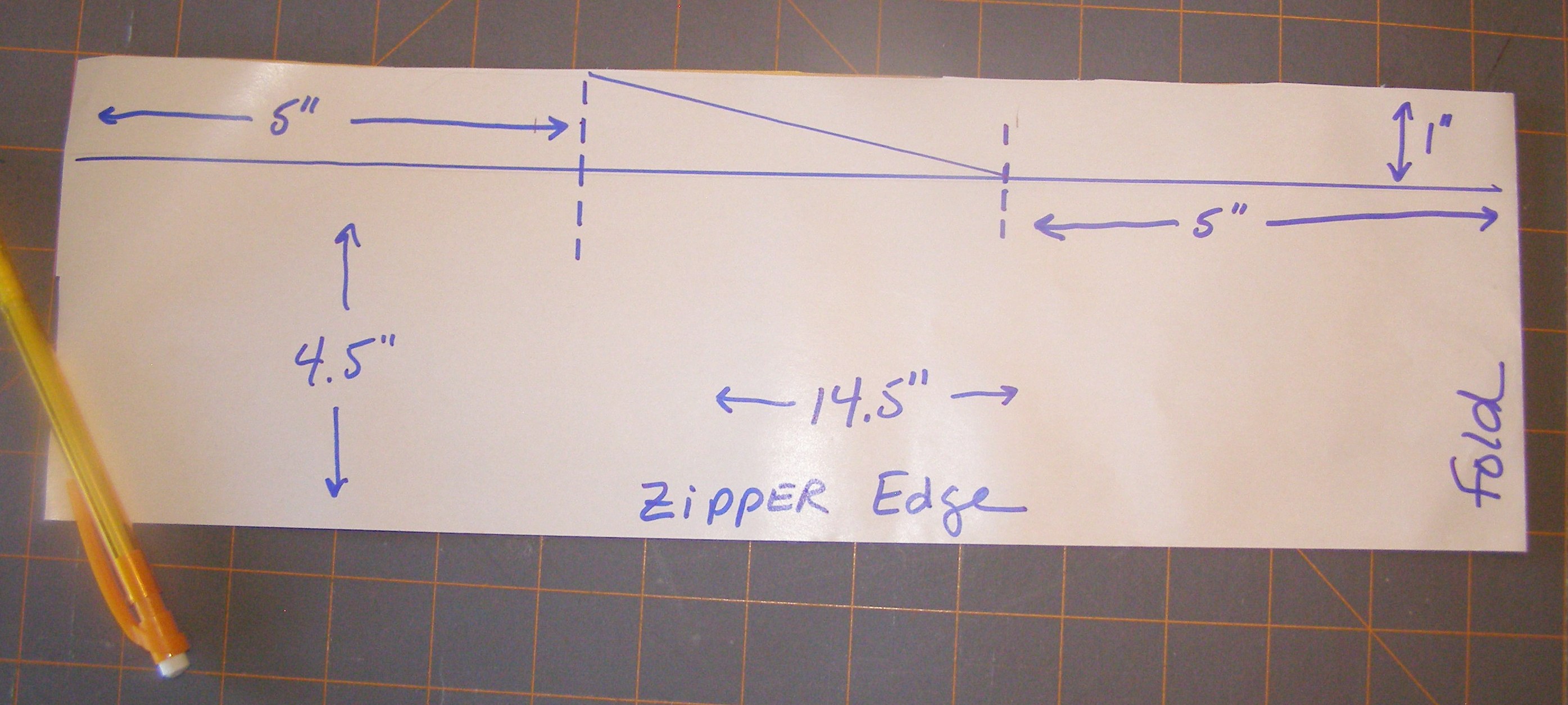
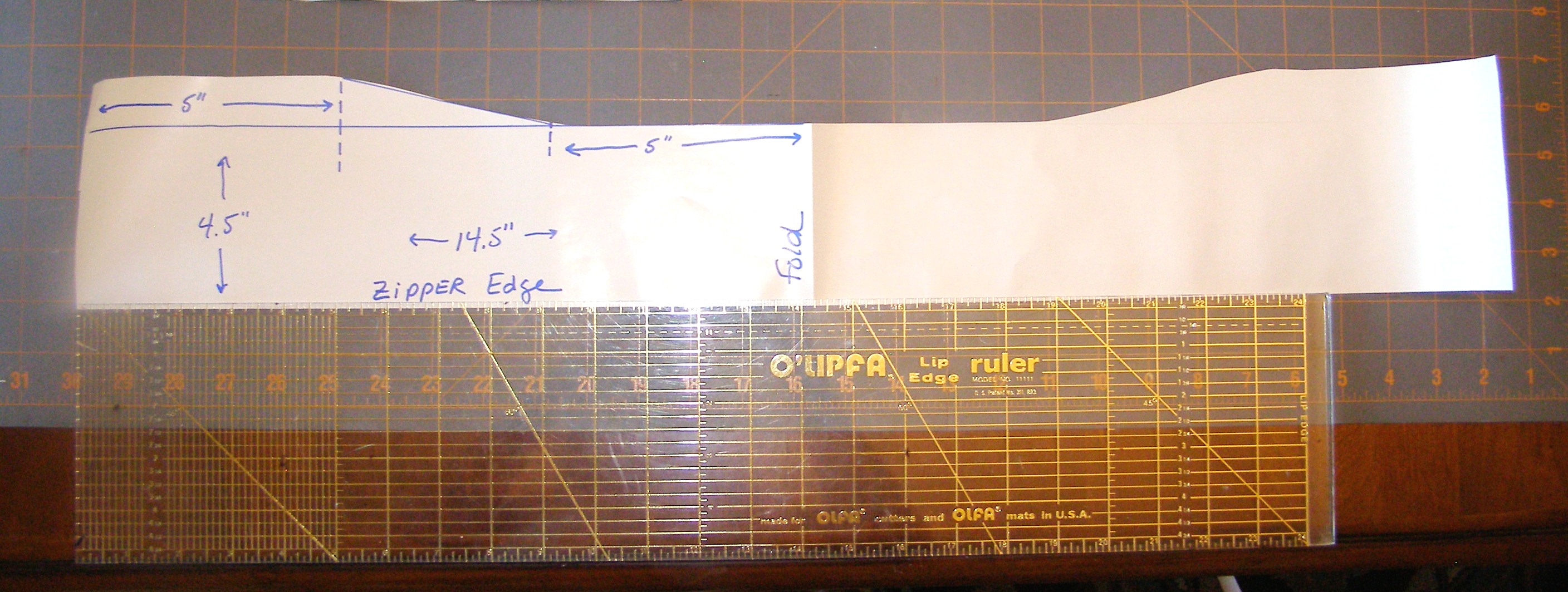
Bag Top:  This pattern piece starts out as a folded 4.5″ by 14.5″ rectangle, but is gently curved to shape the bag.

  • Fabric – Cut 2
  • Lining – Cut 2
  • Batting – Cut 2

Cutting the pattern piece is gives one a sense of accomplishment – although it is just a rectangle with a small piece removed – I think it appeals to our inner draftsperson!

Bag Top Rectangle - cut on fold

Bag Top Rectangle – cut out pattern with fold on right side as noted.

Using a folded piece of wrapping paper, cut a rectangle that is 4.5″ by 14.5″ .  The folded side is noted in the above photo.  When unfolded, the rectangle will be 4.5″ by 29″.

Mark the rectangle as shown in the photo, by drawing (drafting) a line 1″ from the top edge of the rectangle.  Draw two lines 5″ from either end of the rectangle.  These are the dotted lines in the photo.  Connect the upper edge of the left dotted line to the point the right dotted line crosses the 1″ line.  Doing so will form the angled line shown on the photo.
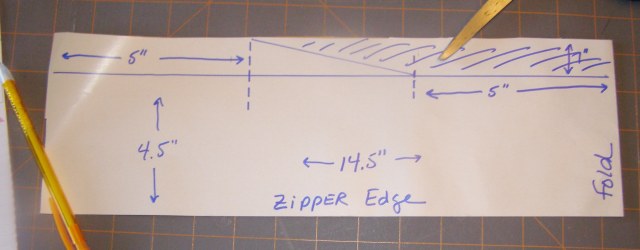
Bag Top Pattern:  Cut away hashed area.

Bag Top Pattern: Cut away slashed area.

The slashed area in the above photo shows is the area to be cut away to form the curve of the bag top.
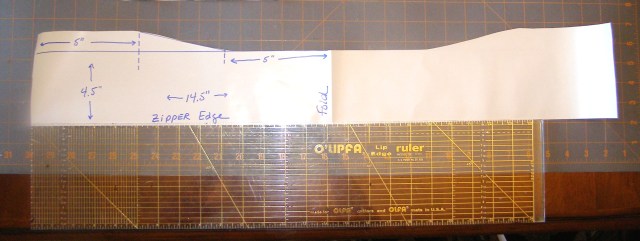
Bag Top Pattern:  Completed.

Bag Top Pattern: Completed.

Unfold the Top pattern piece and it should now look like that in the photo above.

Just to avoid any unnecessary use of the seam ripper later on, note that the zipper is sewn to the long straight, non-angled edge of the Bag Top.
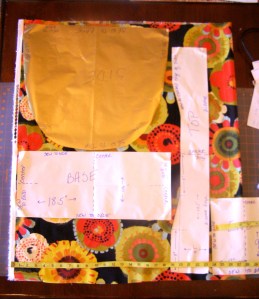
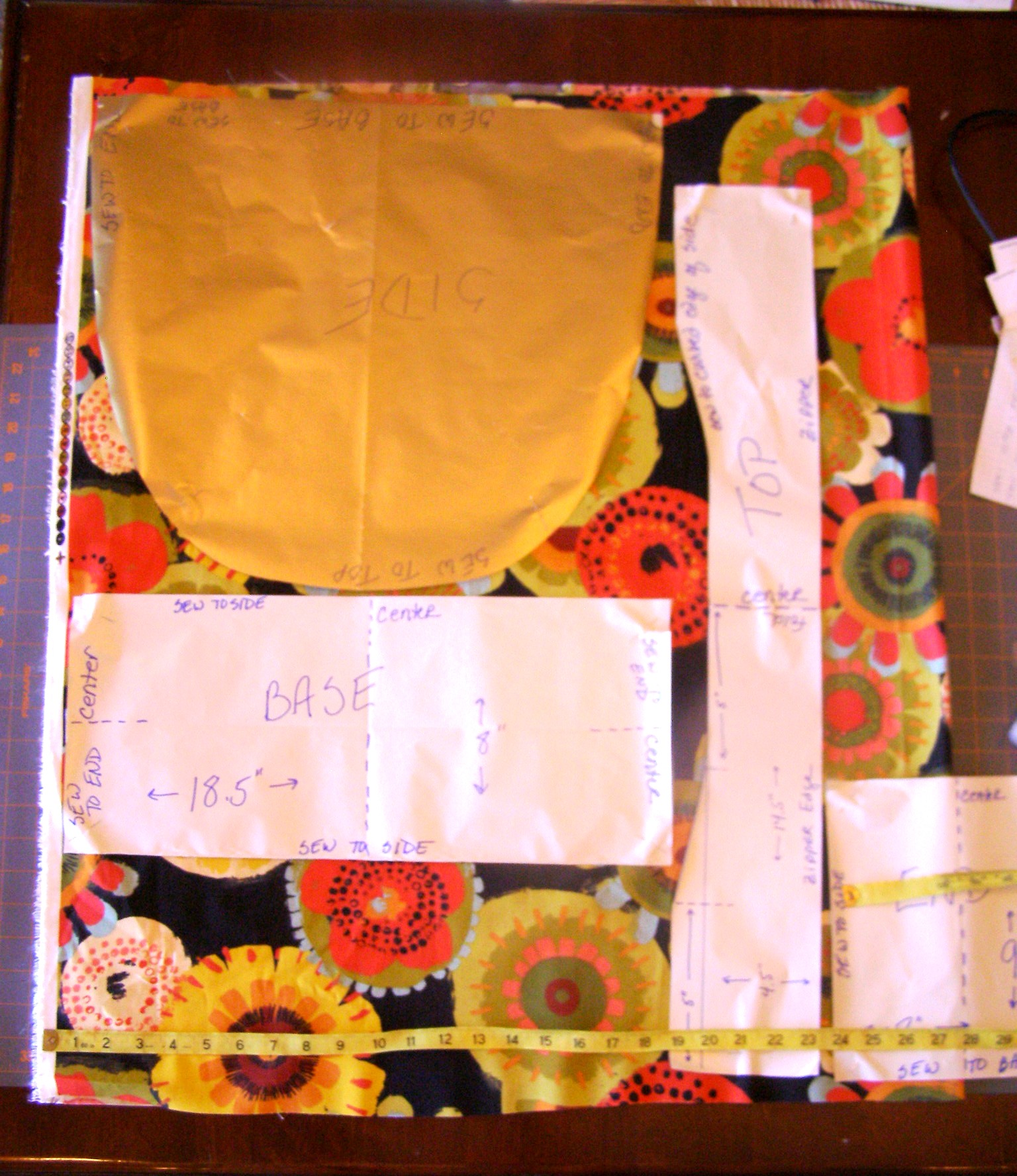
Bag Cutting Layout

Bag Cutting Layout

To the left is the cutting layout I used for the Bag fabric.  Two Bag Bases were cut – allowing one of them to be used as the lining.
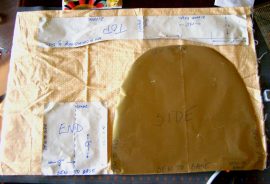
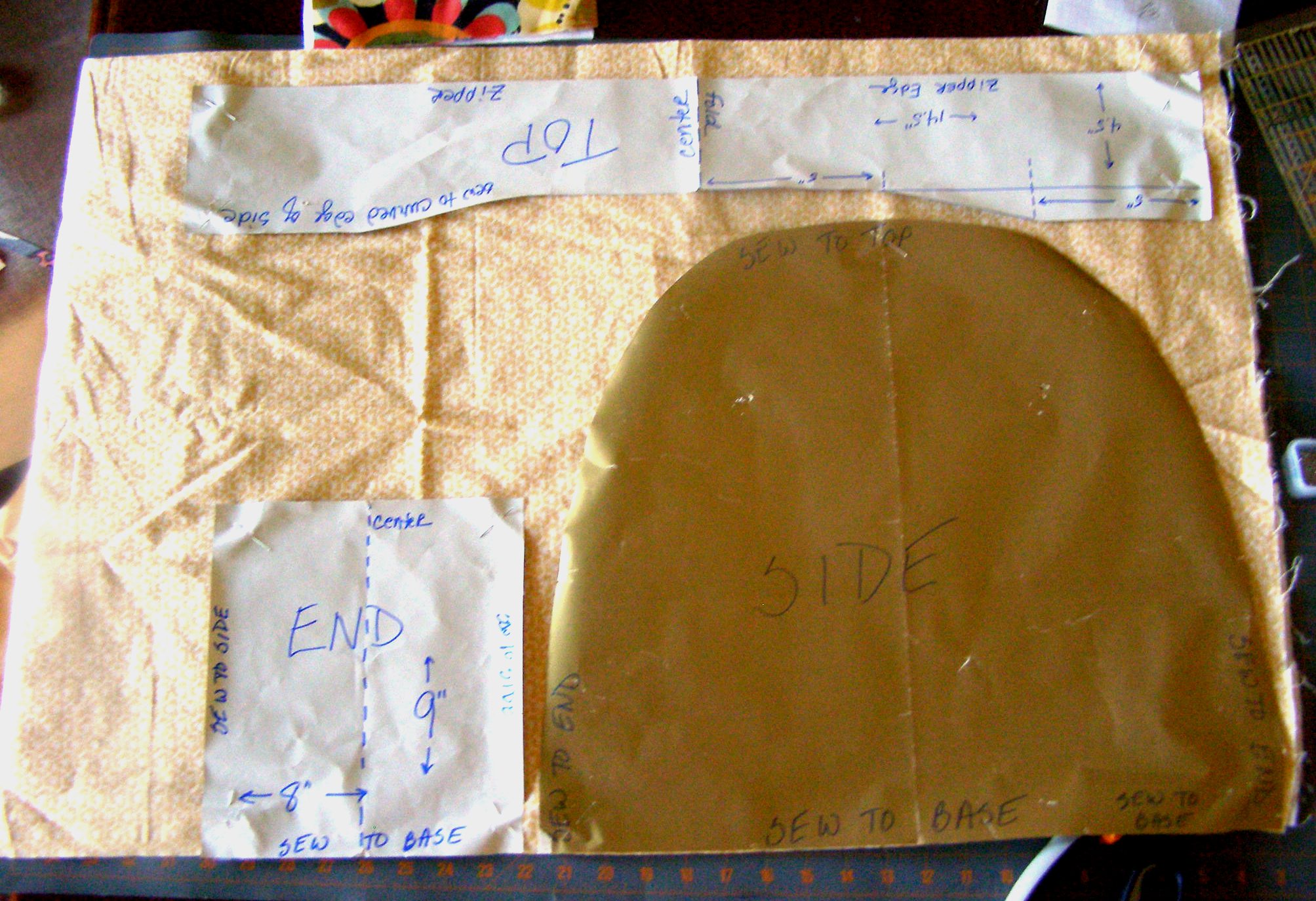
Lining Layout

Lining Layout

The layout used for the bag lining is shown in the photo to the right.  The pockets and the pocket linings were cut from other Stash Fabrics.

Of course, if a Scrap Bag Bag is desired, layouts don’t count.  Use want ever fabrics you desire.
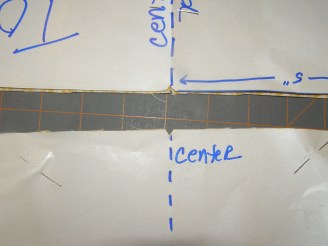
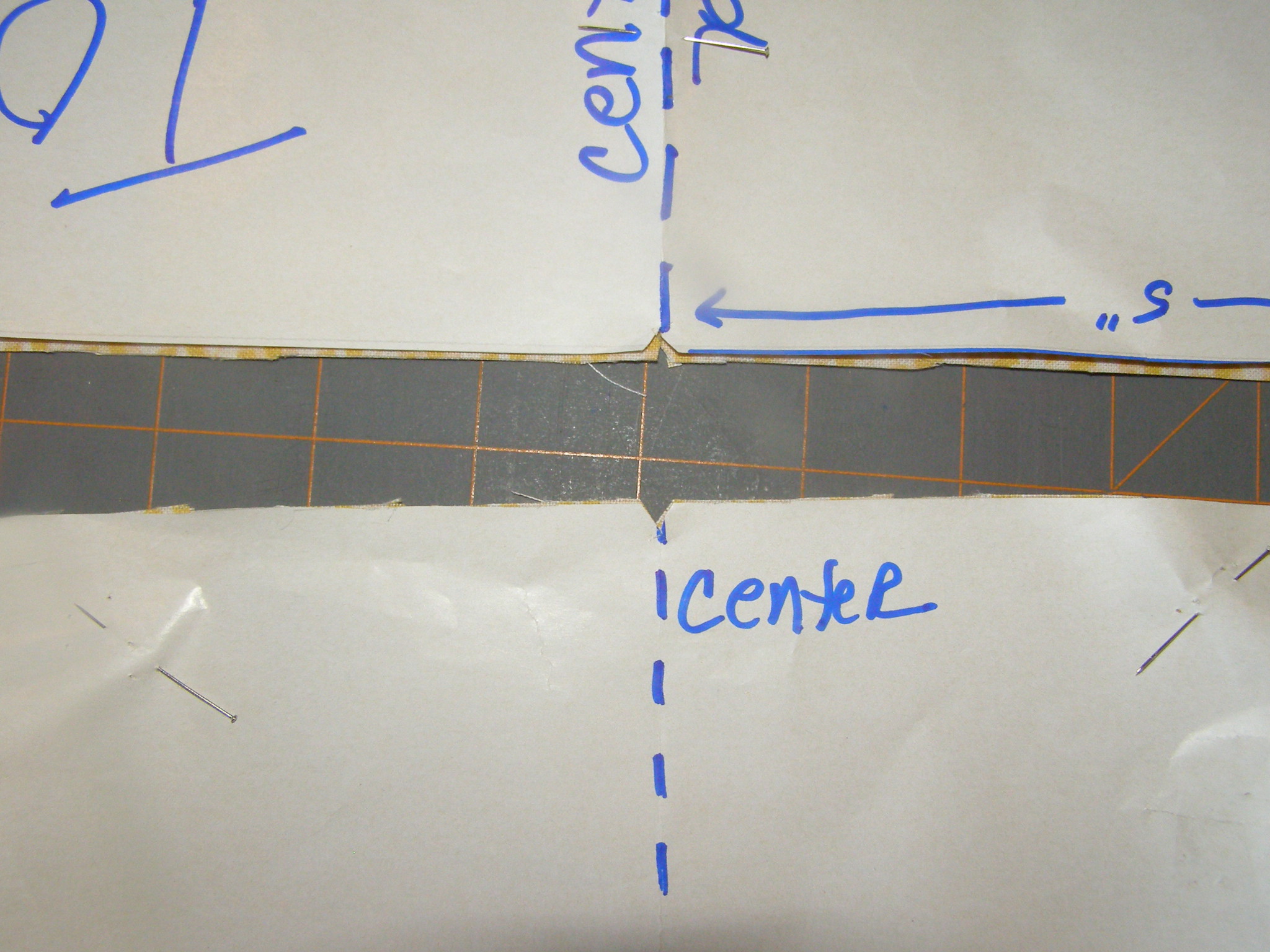
Notch centerlines of pattern pieces - it is how they fit together.

Notch centerlines of pattern pieces – it is how they fit together.

Important:  Notch the centerlines of all pattern pieces.

Sewing the Bag:

The first step is to complete the pockets.  The pockets are the “jewelry” of the bag.

Look for a future “Pocket Post” which will provide details on several different pockets and pocket finishes (zippers, buttons, ribbons, etc.) that can be used to personalize the bags.
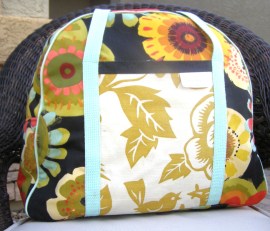
Complete Bag:  Pocket with Border

Complete Bag: Pocket with Border

Today’s pockets are lined and feature a single coordinating fabric border – and are perfect for quick access to boarding passes!

Using the Pocket rectangle pattern, cut 2 pockets of selected fabric and 2 of lining fabric.  Cut two rectangles of darker fabric 5″ by 9″.

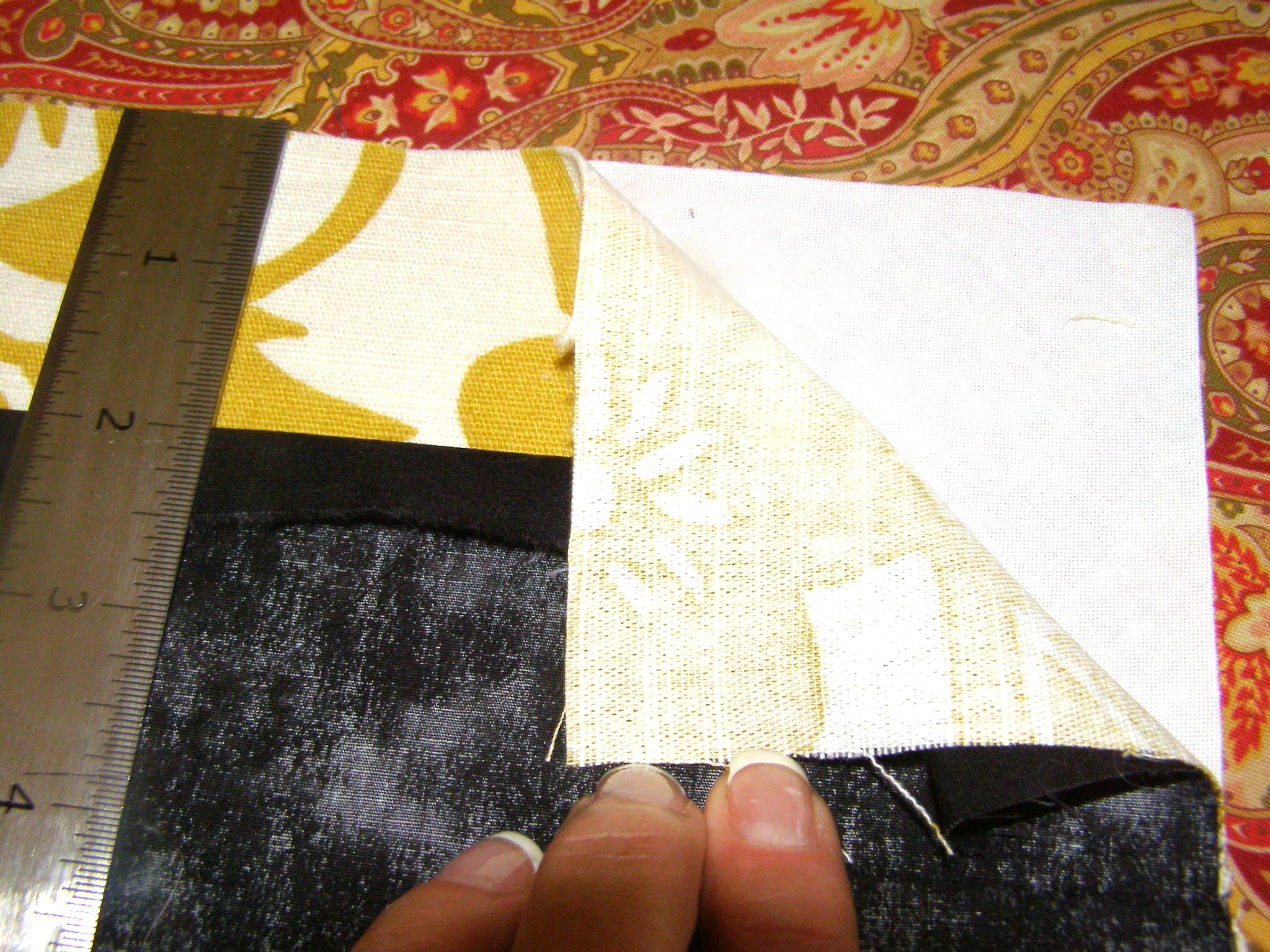
Press  1/2″ of one long edges of the dark rectangle.  Then press the rectangle in half lengthwise.
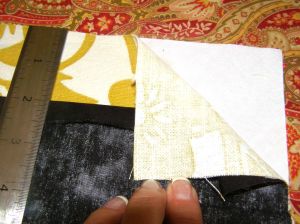
Creating pockets

Creating pockets

Place the fabric on top of the lining – wrong sides together as shown in the upper right portion of the photo.

Place folded edge of darker rectangle 2″ from upper edge of pocket and lining – also shown in the lower portion of the photo.  Pin to secure.

Unfold 1/2″ fold and sew along pressed line.
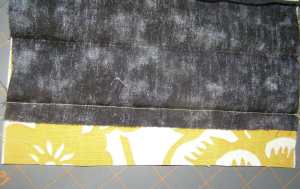
Seam of pocket sewn in 1/2' pressed line.

Seam of pocket sewn in 1/2′ pressed line.

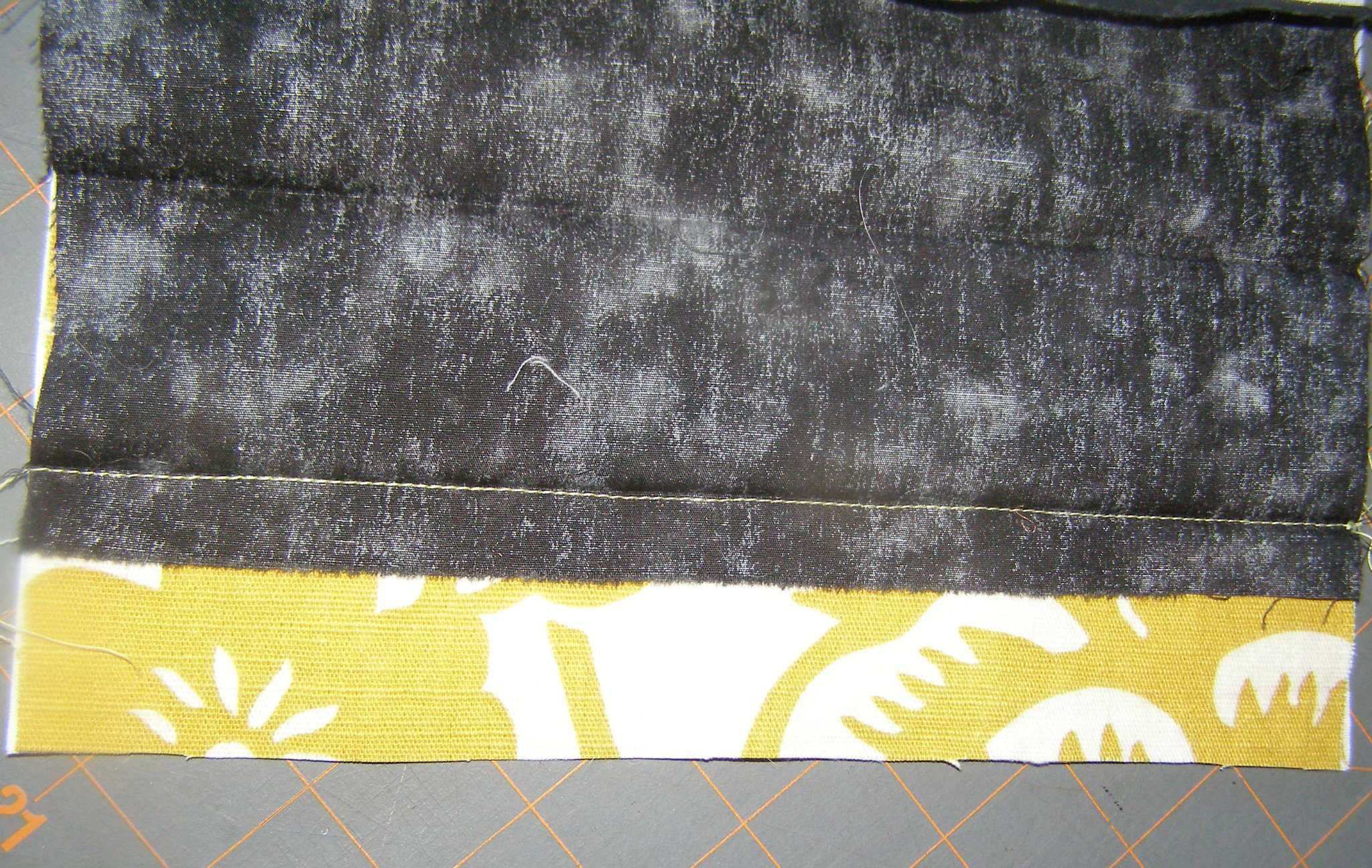
Press under 1/2″ on other long edge of darker rectangle.

Wrap darker fabric over upper edge of pocket and lining.  Pin to lining.

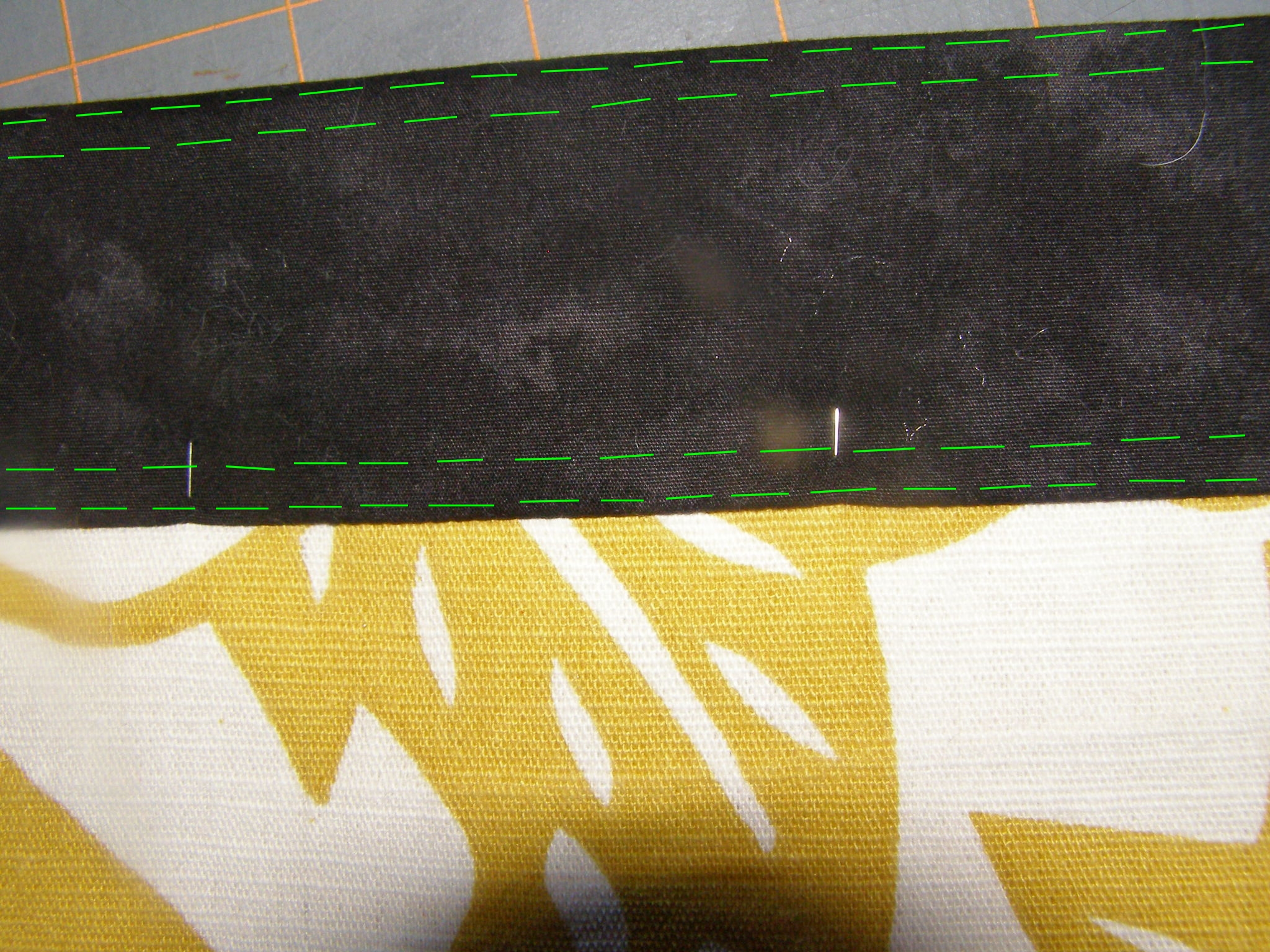
Topstitch upper and lower edges of darker fabric.  Topstitch again 1/4′ from first topstiched lines.
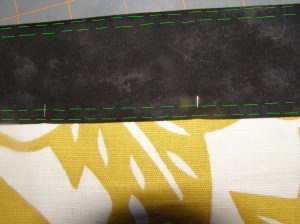
Topstitching lines

Topstitching lines

Topstitching lines locations are shown as the green dotted lines in photo to the left.

Make another pocket the same way.

Pockets are done!  YAY!

Next Post:  Sewing the Bag Together.

Posted in Accessories, Beginner Sewing Projects, Scrap Couture, Sewing, Stash Couture, Tutorial | Tagged , , | 5 Comments

Even Simpler Secure Luggage Tags

Simple and Secure - and Stash Couture!

Simple and Secure – and Stash Couture!

Secure and Simple:  The best type of Luggage Tag!

Because the tag is made to hang closed, your personal information is not available while traveling!

All that is required for this very simple (and secure) luggage tag is:

  • Fabric Scrap 10″ * 7″
  • Scrap of Heavy Weight Interfacing 3″ * 9″
  • Grommet or Buttonhole
  • Scrap Piece of Plastic  3.5″ * 2.5″ (The plastic cases blankets and sheets come in is great!)
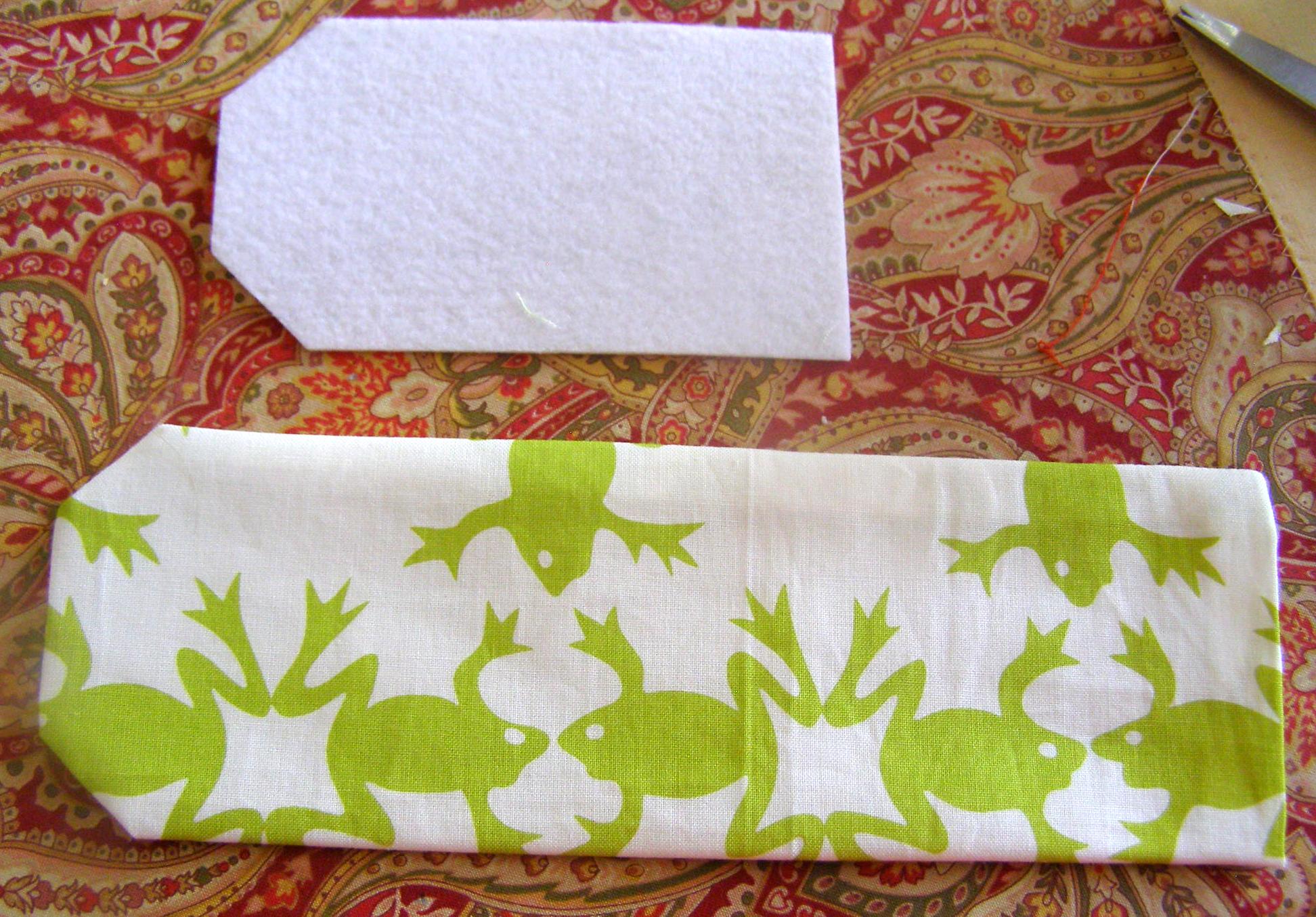
Photo 1:  Interfacing Cutting.

Photo 1: Interfacing Cutting.

Photo 2: Cutting angles into ends of interfacings.

Photo 2: Cutting angles into ends of interfacings.

1.  Cut interfacing as shown in Photo 1.  Use Photo 2 as guide to cut angles into one narrow end.

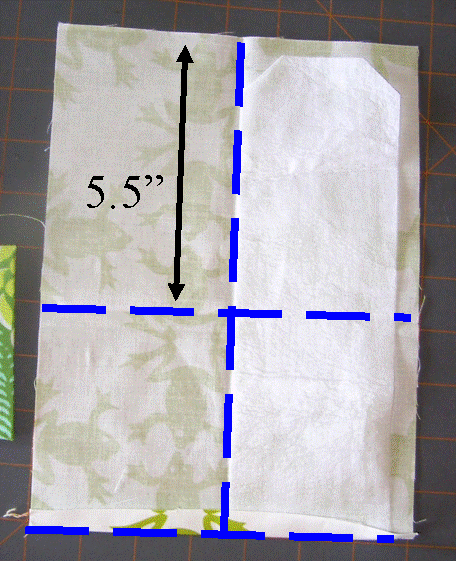
Photo 3: Fold lines and interfacing placement.

Photo 3: Fold lines and interfacing placement.

2. Iron fabric rectangle flat, then fold in half lengthwise and press (this will be referred to as the “Center Line”).  Then open and fold along line 5.5″ from one of the narrower ends.  Press again (this will be referred to as the “5.5″ Line”).  Open and fold up 1/2″ from other narrow end.  Press again.  Place interfacing piece, fusible side down, against center fold line and 1/2″ bottom fold line.  Fold lines and interfacing placement are shown in Photo 3. Fuse interfacing to fabric.

4.  On right side of fabric,  place plastic rectangle  1/4″ from Center Line and 5.5″ Line.  Using zig-zag, if possible, stitch plastic rectangle to fabric. – only on 3 sides.  The side closest to the 5.5″ fold should not be stitched (so ID can be slipped in and out)

Photo 5: Sew long and angled edges. Trim.

Photo 4: Sew long and angled edges. Trim.

5.  Fold right sides together along center fold line.  Stitch up long side and angled edge as close to edge of interfacing as possible. Do not stitch 1/2″ folded edge.  Trim angled corners.  Fold up 1/2″ folded edge as shown in Photo 4.

6.  Turn tag right side out.  Press from fabric only side (pressing the plastic is not a good idea).

Photo 5:  Inside Tag showing zig-zagged plastic, grommet, ribbon and top-stitching

Photo 5: Inside Tag showing zig-zagged plastic, grommet, ribbon and top-stitching

7.  Fold 22″ piece of ribbon in half.  Place 1/2″ into opened end of tag as shown in Photo 5.  Topstitch close to out edge all the way around tag.

8.  Make a button hole or place a small grommet into angled end of tag.  Thread ribbon through button hole or grommet.

No one can see your personal information!

No one can see your personal information!

Your Simple and Secure Luggage tag is ready for your next trip – and they are so simple – you can create new ones for every trip!

Posted in Accessories, Luggage tags, Repurpose, Sewing, Stash Couture, Tutorial | Tagged , , , | 2 Comments

Luggage Tags: Stash Couture and Secure

Stash Couture Secure Luggage Tag

Stash Couture Secure Luggage Tag – no personal information visible!

Travel and security seem almost synonymous anymore.

Yet it was surprising to learn that all those beautiful open-faced fabric luggage tags are of concern as they show personal information.

So today’s post is a tutorial for making secure fabric luggage tags.

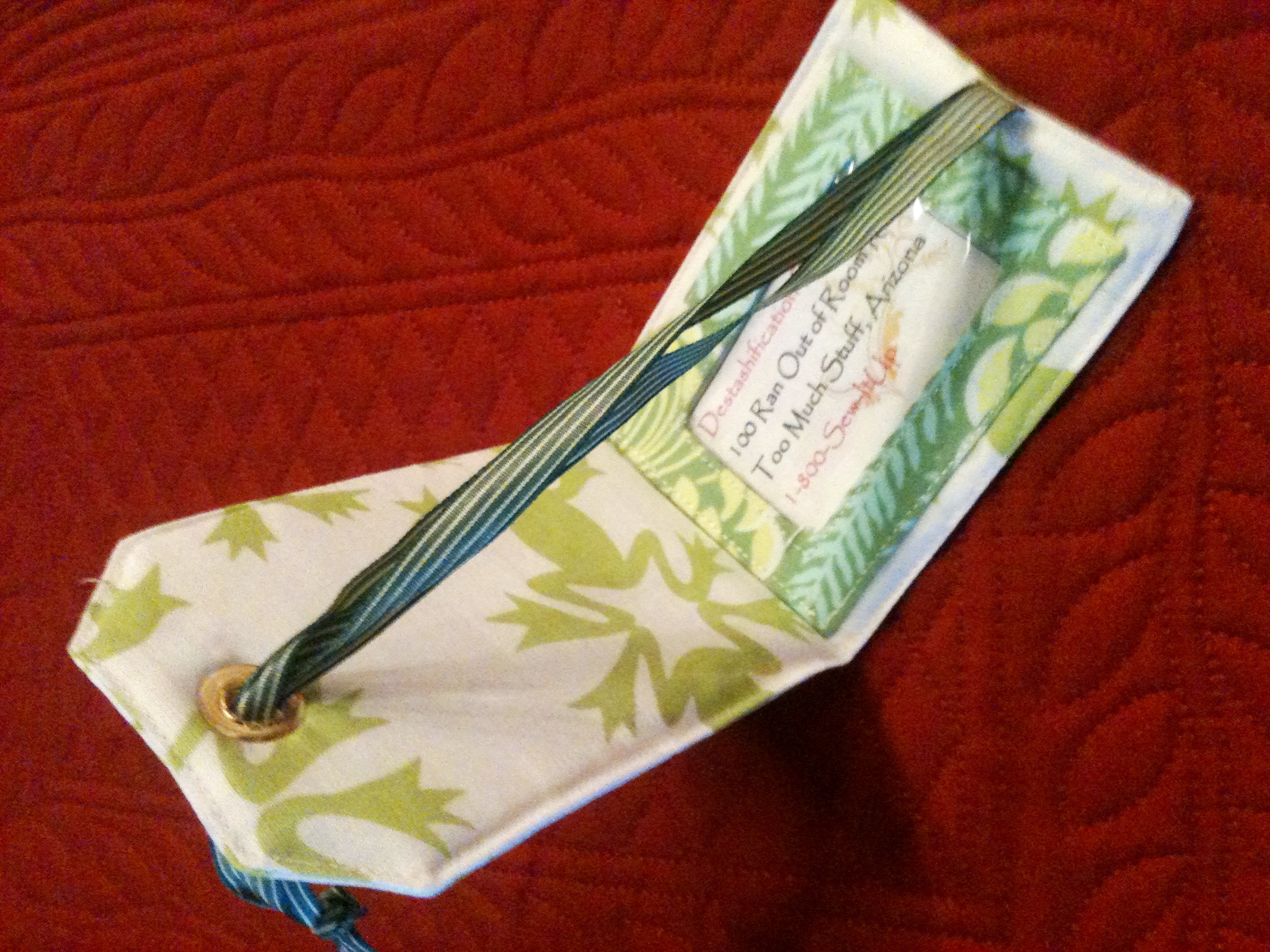
The tags open like a wallet and  keep one’s name, address and phone number securely closed inside while hanging.  However, the information can be easily accessed should the luggage ever become lost by simply “opening the wallet.”

Secured Tags

Secure Tags Closed

Scraps of heavy interfacing, fabric, ribbon (22″), and plastic are all that is needed to make the simple version (in the orange print).

The green/white version with the fabric framed ID holder additionally requires some scraps of Really Stiff Stuff (Peltex, etc.) and bits of fusible webbing (Steam-A-Seam, Heat-N-Bond, etc.)

Secured Tag opened to show ID.

Secured Tag opened to show ID.

By threading the ribbon through a grommet or a buttonhole, the tag will remain closed when hanging.

Following are the instructions are for the White/Green Version.  The simpler Orange version will be included in the next post.

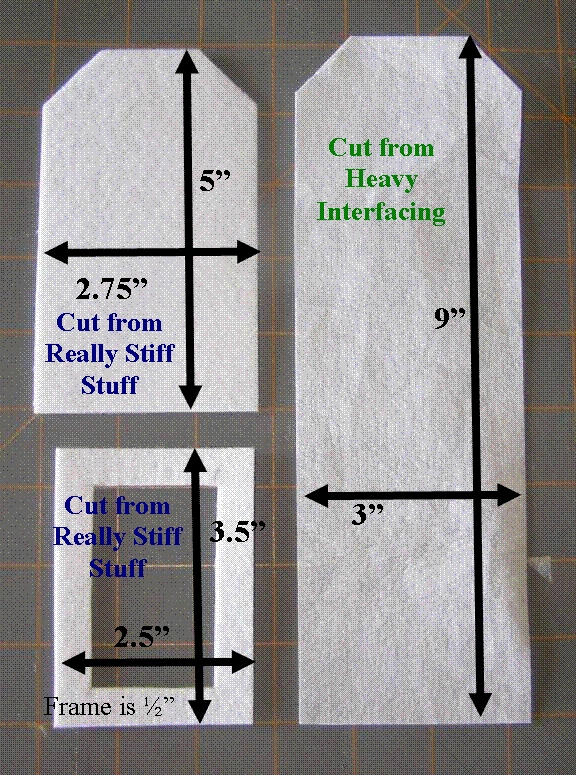
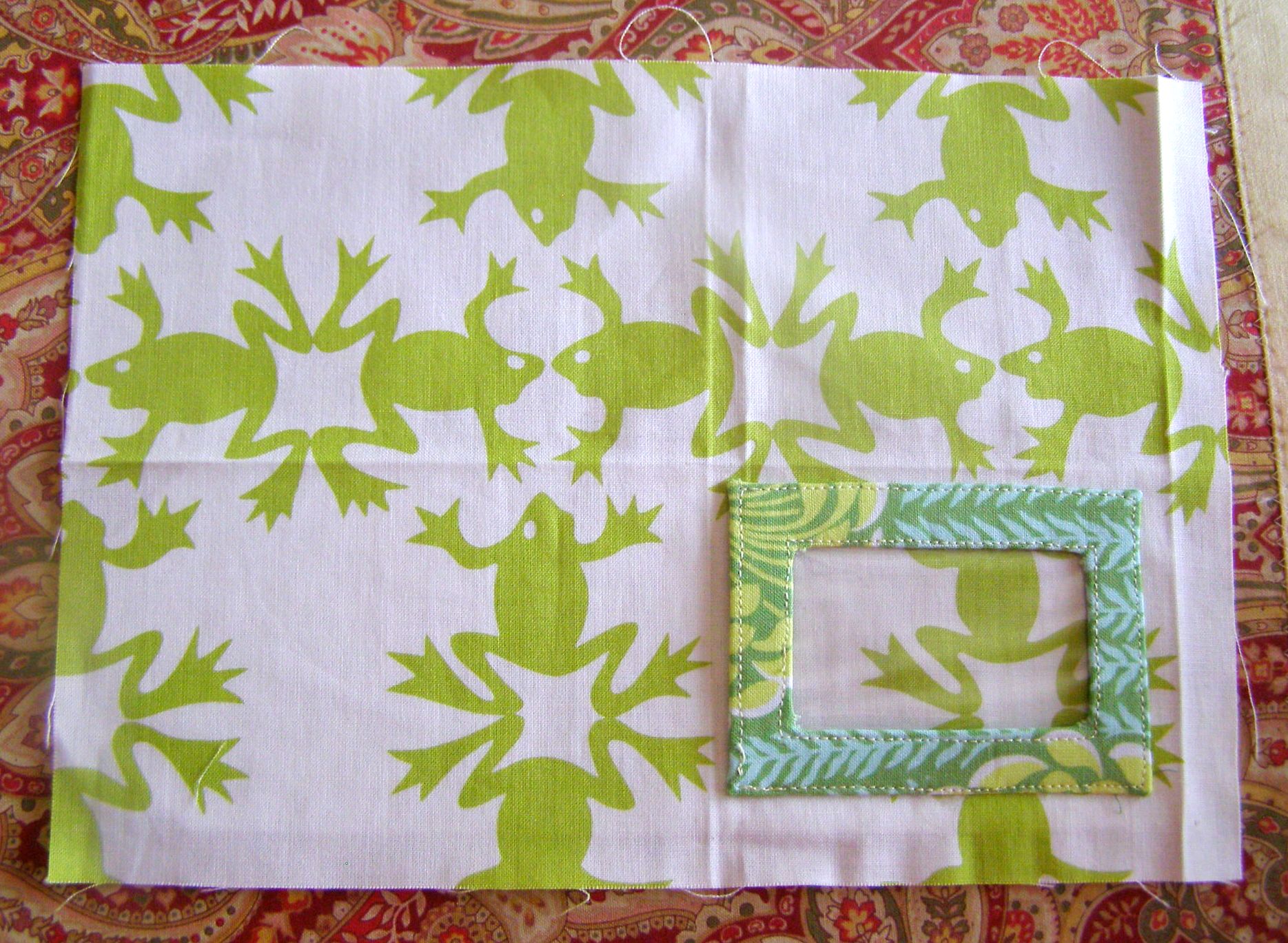
PPhoto 1: Interfacing Cutting

Photo 1: Interfacing Cutting

1.  Cut interfacing and Really Stiff Stuff (RSS) as shown in Photo 1.  Use Photo 2 to cut angles into ends.

Photo 2: Cutting angles into ends of interfacings.

Photo 2: Cutting angles into ends of interfacings.

2.  Cut fabric into a 7″ * 10″ rectangle (for tag) and a 3.5″ * 4.5″ rectangle (for ID frame).

Photo 3:  Frame web-fused to smaller fabric rectangle.

Photo 3: Frame web-fused to smaller fabric rectangle.

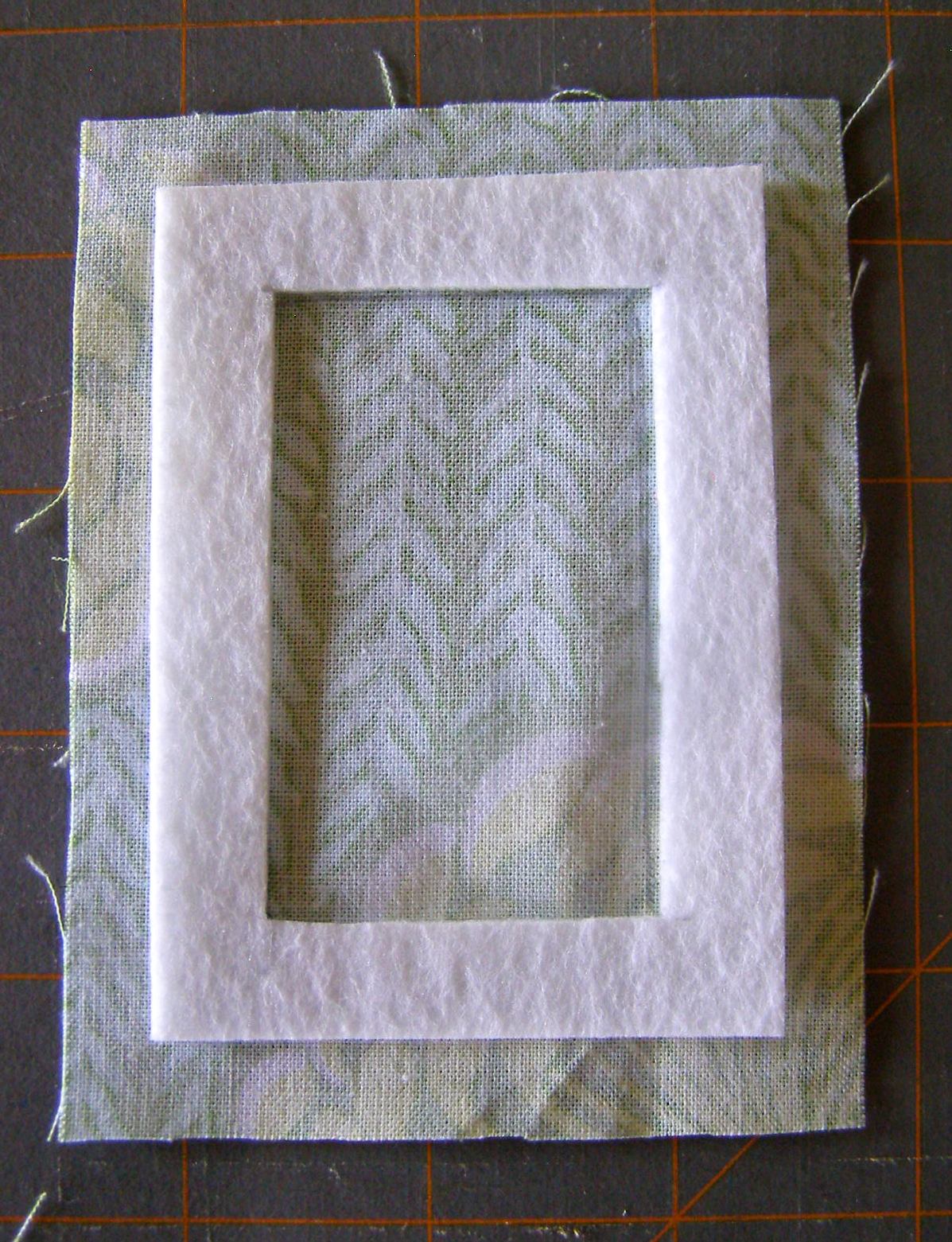
3.  Following manufacturer’s instructions iron the fusible webbing to one side of the RSS frame.  Then center and iron it to the wrong side of smaller fabric rectangle as shown in Photo 3.

Photo 4:  Trim and Clip  - Carefully!

Photo 4: Trim and Clip – Carefully!

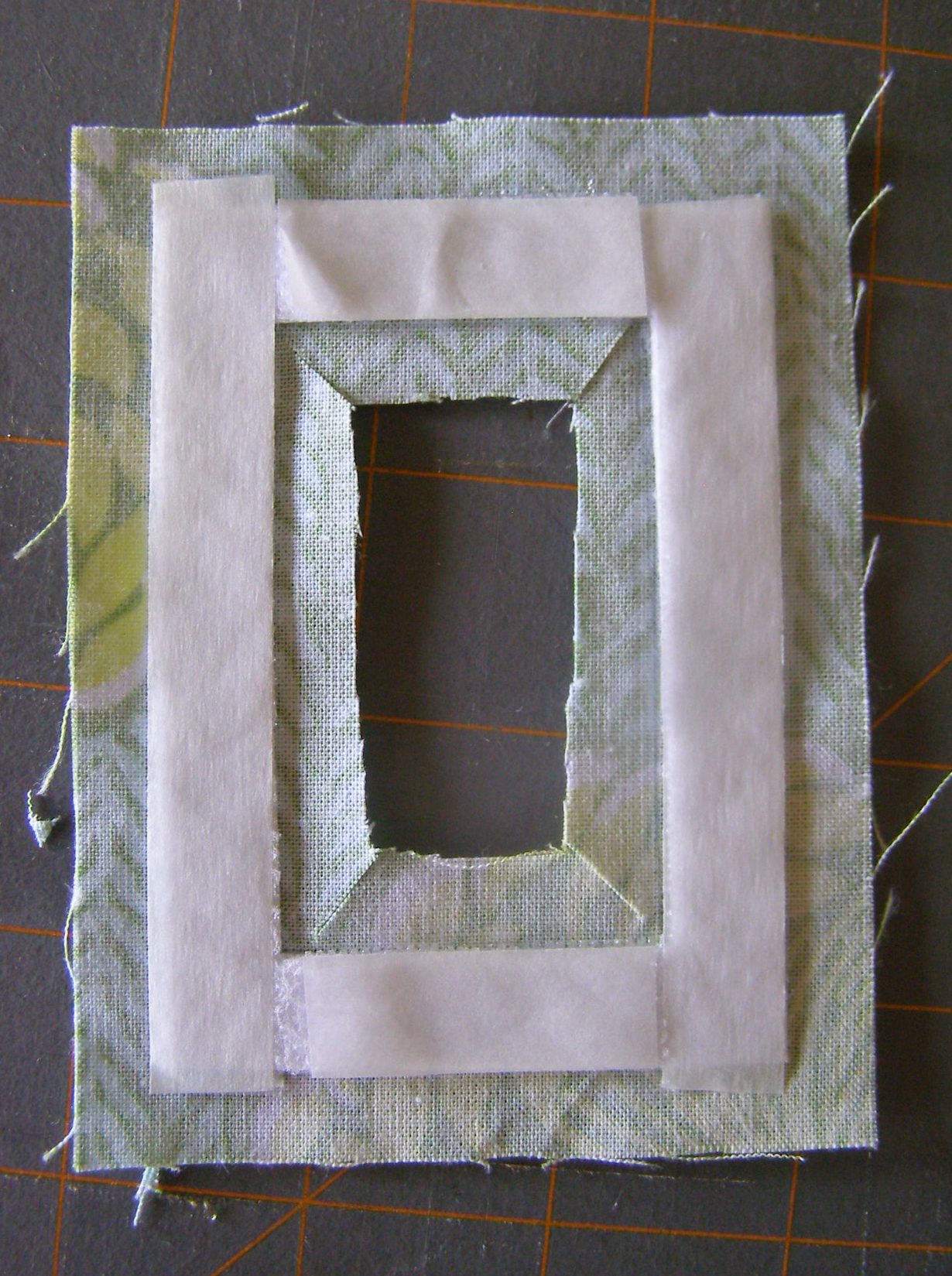
4.  Using sharper scissors than I have, trim away fabric just less than 1/2″ from inner edge of frame and clip (make cuts) to frame corners as shown in Photo 4.

4.  Following manufacturer’s instructions, attach fusible webbing to visible side of RSS frame.  As shown in Photo 4, I use 1/2″ ribbon of fusible webbing.  It is the perfect size for this project.

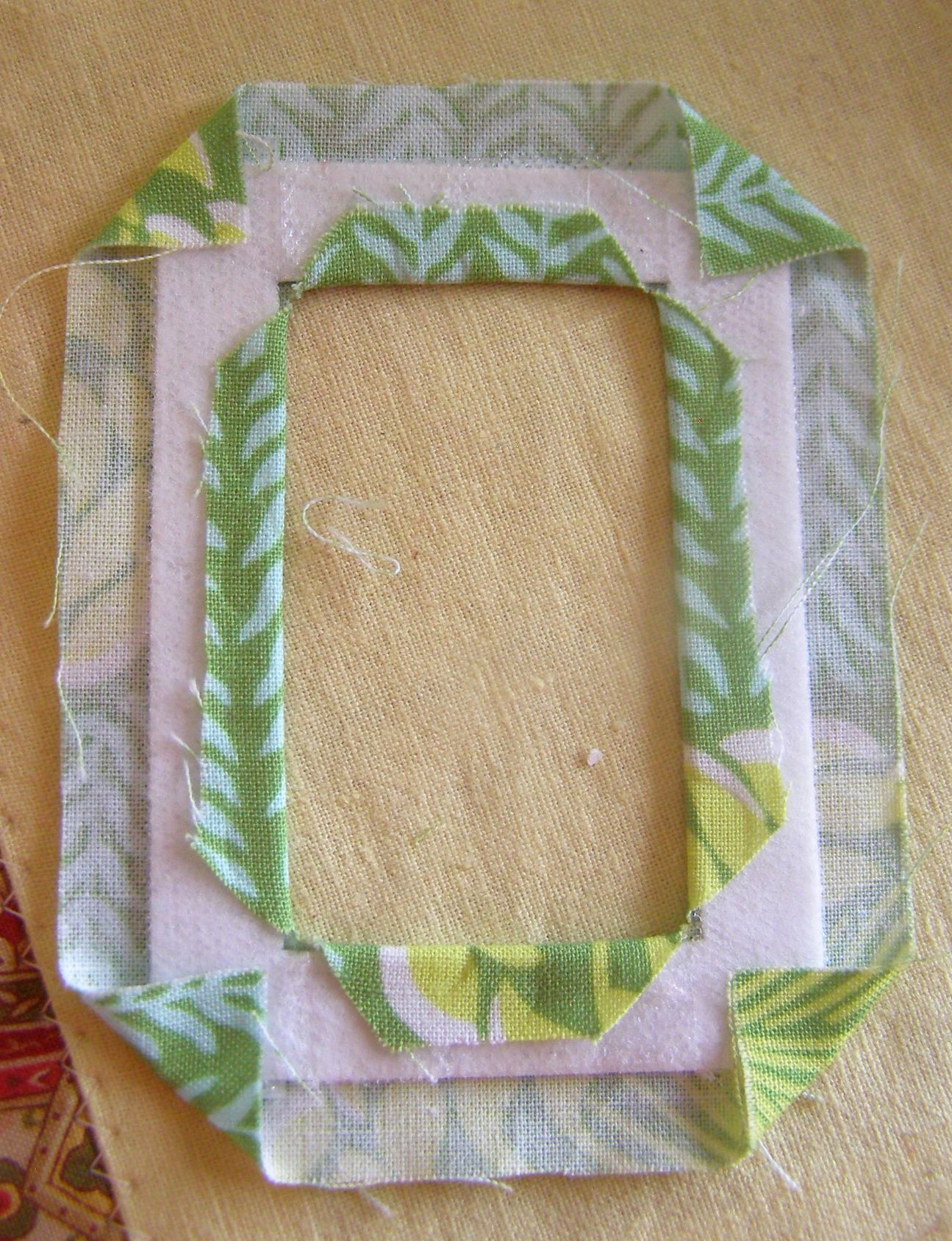
Photo 5.  Fusing fabric to frame.

Photo 5. Fusing fabric to frame.

5.  Carefully, or using an already-bearing-pieces-of-fusible-webbing-iron-from-earlier-mistakes like I do, fuse corners and inner fabric to RSS frame as shown in Photo 5.  Then fuse outer edges.

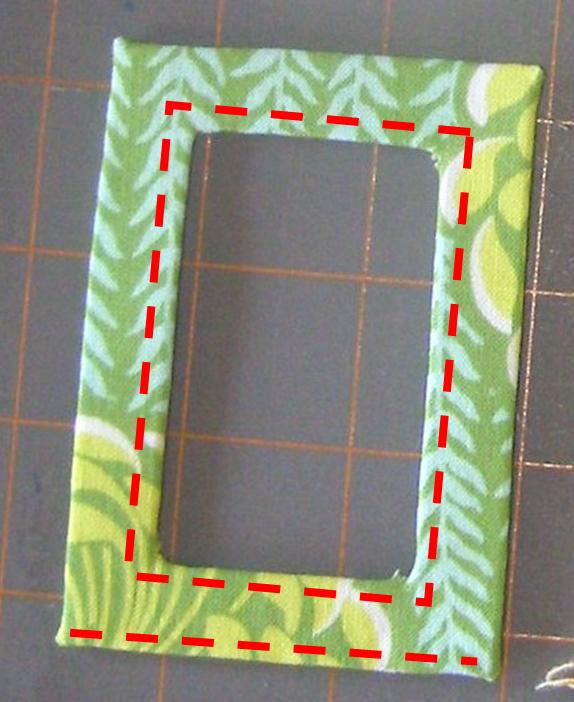
Photo 7:  Sewing Lines for attaching plastic to frame.

Photo 7: Stitching Lines for attaching plastic to frame.

6.  Using scrap plastic (I use the plastic that sheets, blankets and pillowcases are sold in – it is surprisingly pliable) cut a rectangle the same size as the frame – maybe just a bit bigger.  Place against back side of frame and top stitch close to inner edge of frame.  Trim the plastic so it does not show around the frame’s outer edge.  Then top stitch along one shorter outer edge of frame.  Stitching lines are shown in Photo 7.
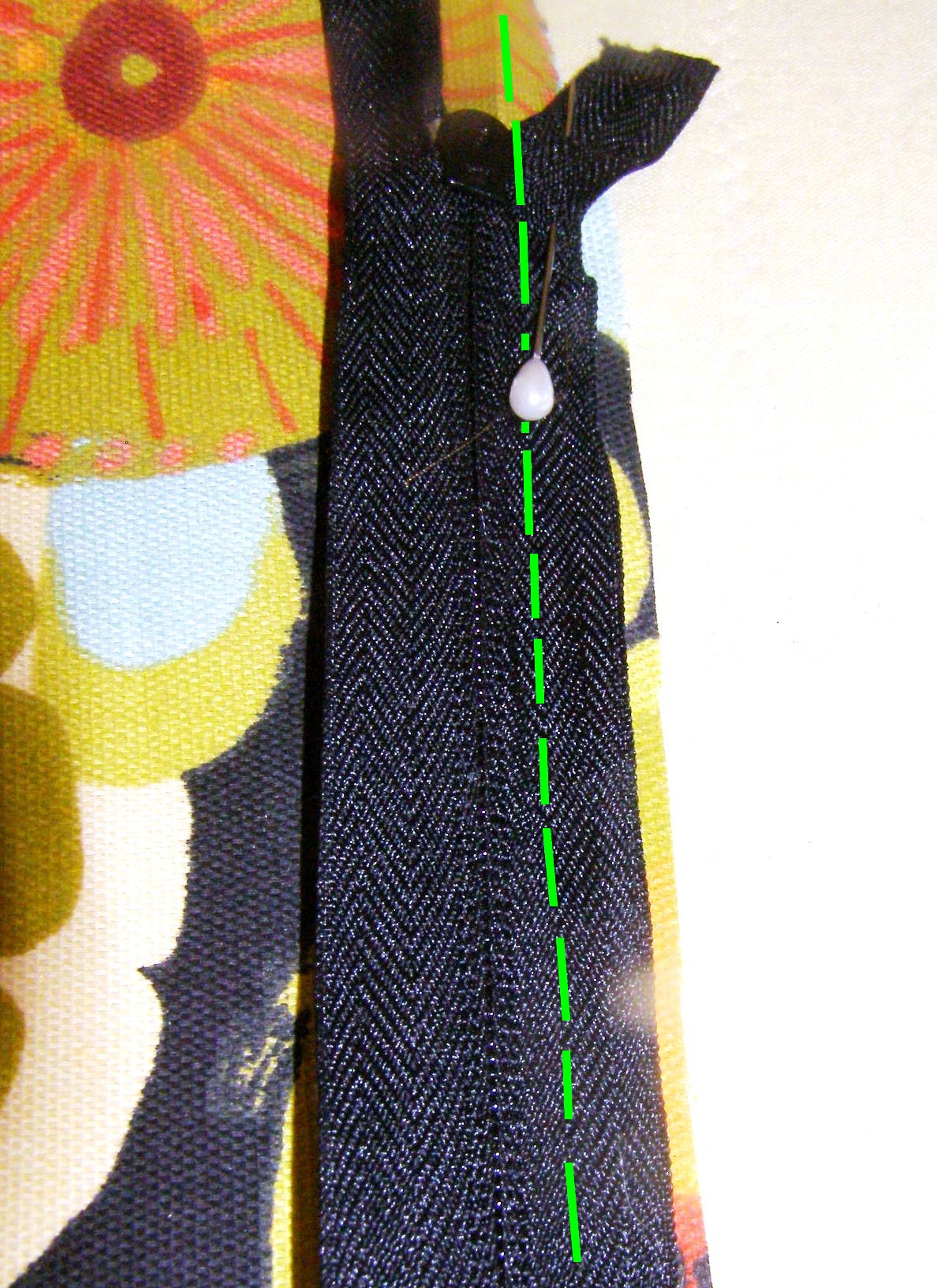
Photo 8:  Fold lines and interfacing placement.

Photo 8: Fold lines and interfacing placement.

7. Iron larger rectangle of fabric flat, then fold in half lengthwise and press (this will be referred to as the “Center Line”).  Then open and fold along line 5.5″ from one of the narrower ends.  Press again (this will be referred to as the “5.5” Line”).  Open and fold up 1/2″ from other narrow end.  Press again.  Place larger interfacing piece, fusible side down, against center fold line and 1/2″ bottom fold line.  Fold lines and interfacing placement are shown in Photo 8.

8.  Fuse interfacing to fabric following manufacturer’s instructions.

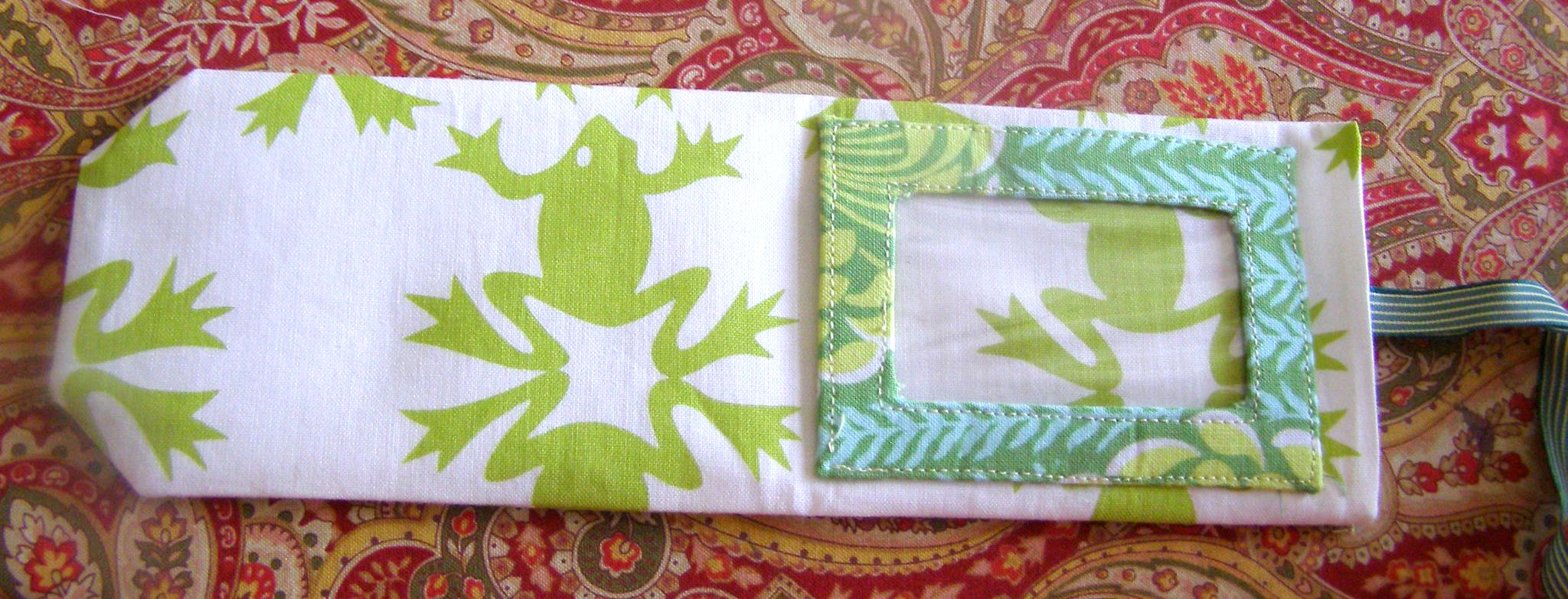
Photo 9:  Place frame on right side of fabric.

Photo 9: Place frame on right side of fabric.

9.  Place frame on right side of fabric.  Locate it 1/4″ from Center Line and 5.5″ Line) as shown in Photo 9.  The outer edge of the frame that was topstitched as the last seam in Step 6 should be placed toward 5.5″ line.  Topstitch around three untopstitched outer edges of frame (only 3 sides – if  all 4 edges are stitched, there is no way to slide the ID information into the frame!)

Photo 9:  Sew long and angled edges.  Trim.

Photo 10: Sew long and angled edges. Trim. Turn up 1/2″ folded edge.

10.  Fold right sides of large rectangle together along center fold line.  Stitch up long side and angled edge as close to edge of interfacing as possible. Do not stitch 1/2″ folded edge.  Trim angled corners.  Fold up 1/2″ folded edge as shown in Photo 10.

11.  Turn tag right side out.  Press from fabric only side (pressing the plastic is not a good idea).

Photo 10:  Turn right side out. Push RSS angled piece into tag.

Photo 11: Turn right side out. Push RSS angled piece into tag.

12.  Push remaining RSS (Really Stiff Stuff) angled piece into tag until it reaches the end.  Trim long sides  – just a smidge – if the RSS piece does not fit.

13.  Fold 22″ piece of ribbon in half.  Place 1/2″ into opened end of tag as shown in Photo 12.  Topstitch close to out edge all the way around tag.

Photo 11:  Insert ribbon and topstitch edge.

Photo 12: Insert ribbon and topstitch edge.

14.  Make a button hole or place a small grommet into angled end of tag.  Thread ribbon through button hole or grommet.

Photo 12: Secured Tags

Photo 12: Secured Tags

15.  Stash Couture and Secure Tag is completed – ready for that next trip!

The added bonus is that you will never mistake your luggage for someone else’s again!

Posted in Accessories, Luggage tags, Repurpose, Scrap Couture, Sewing, Stash Couture, Tutorial, Uncategorized | Tagged , , , , | 4 Comments

Dorm Room Pillows

“I’ve decided to change the colors of my room.”

Dorm Room Pillows

Dorm Room Pillows

Words that make every Destashifying Mother smile and head to the sewing room.

“No more purple and teal.   I think I want blue and yellow.  Send me my blue comforter and I need squishy pillows.

So pillows it was.

Turquoise still needed to be included as her brand new backrest pillow was turquoise.

Found a home dec remnant that included a variety of yellows, blues, (because getting the “right” yellow and the “right” blue would be important) and turquoise in a modern looking circles print.

Deep placket on pillow

Deep placket on pillow

Using the basic method included in the Flanged Pillows with Frustration-Free Zipper, the pillow was quickly completed.

The placket for the zipper is 3″ deep – no danger of “zipper burns” from pillow fights!

I used the “squishy” pillow form from a pillow she had outgrown a few years back and a zipper from The Stash.

The total cost of the pillow was less than $4,00.

The giraffe fabric remnant was barely 22″ wide – which is not enough for a flange. Using a zipper foot I covered the white satin piping (why I had white satin piping, I do not know – but it was EXACTLY the right length!) with a bright yellow print.

Dorm Room Pillows

Dorm Room Pillows

The Zipper Stash has been thinned out, so I did not have a zipper for the giraffe pillow.

I did, however, have a damaged lace dress someone had gifted me as they thought I use the lace.  That dress had a long zipper!

A few minutes with the seam ripper and I had a usable zipper!

Another Frustration-Free Zipper installation and the second pillow was complete! (I actually revised the Frustration-Free Zipper installation method  and will post a tutorial on this even easier method soon!)  Total cost for the second pillow was also less than $4.00!

The rest of the yellow print piping fabric will be used to cover her bulletin board.

So the Dorm Room Pillows and bulletin board fabric are ready to be shipped to college – the only question being whether the new color choices will be revised before they get there!!!

Posted in Accessories, Home Decor, Repurpose, Sewing, Sewing for a Teenager, Stash Couture | 6 Comments